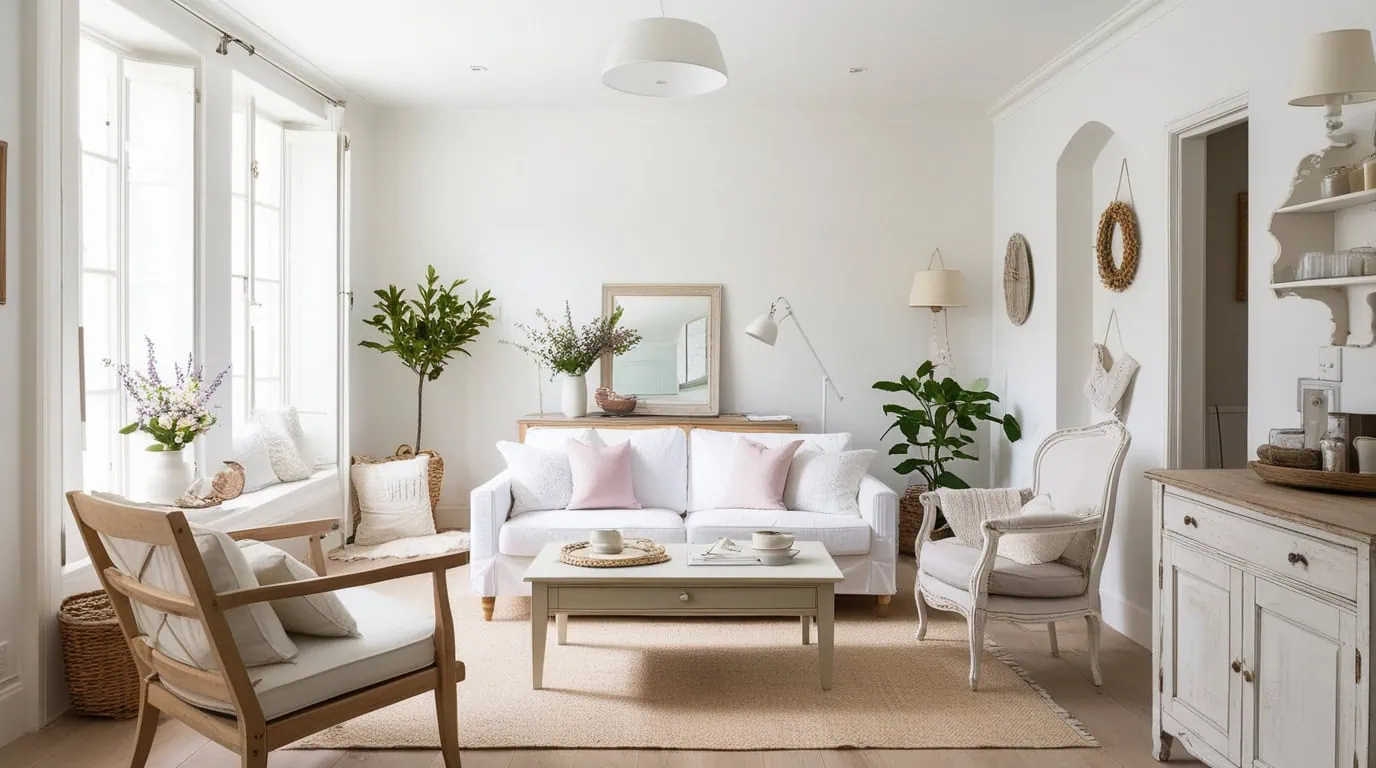
Small Living Room Layout Ideas to Maximize Space
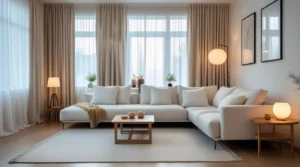
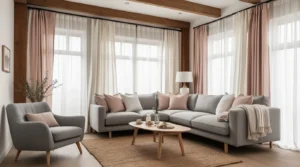
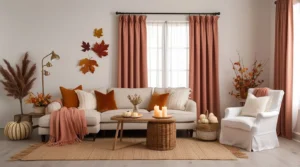
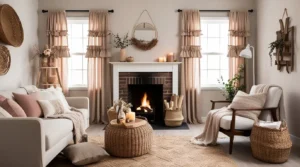
A small living room can feel surprisingly spacious when the layout is planned with intention. Using the right small living room layout ideas allows you to shape how the room functions, how it flows, and how comfortable it feels on a day-to-day basis. Instead of forcing furniture to fit, a thoughtful arrangement creates breathing room, improves movement, and makes the space feel visually calm rather than cluttered.
Design professionals often point out that layout is the quiet hero of a well-designed room—it’s what determines whether a space feels effortless or overwhelming. In fact, many well-known interior design publications regularly highlight how strategic furniture placement and light-friendly layouts can dramatically change the way a small room is perceived. When proportion, natural light, and visual balance come together, even the most compact living room can feel inviting, practical, and beautifully put together.
1. Create a Clear Focal Point
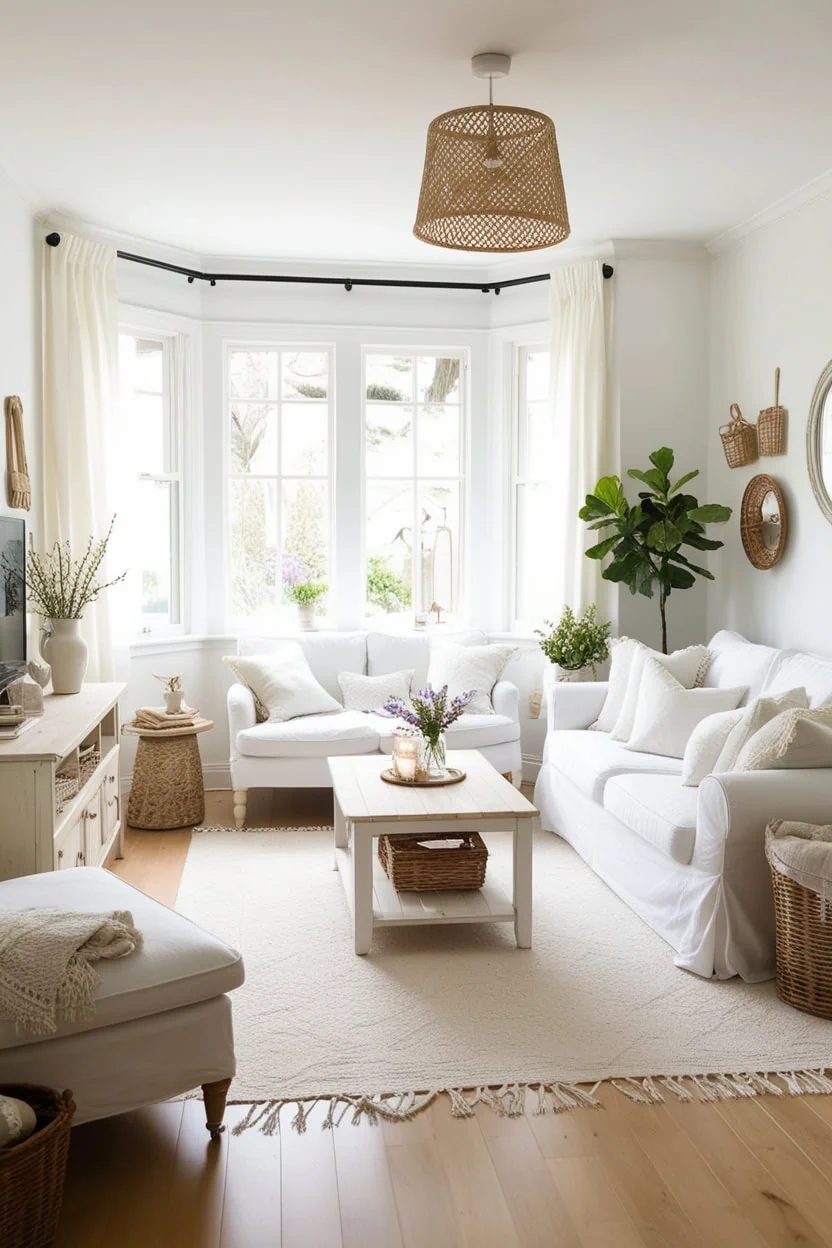
In a small living room, visual focus helps the space feel organized instead of chaotic. Identifying one main feature—such as a statement wall, a window with a view, or a thoughtfully styled media unit—gives the layout a clear sense of purpose. Windows, in particular, can become a strong design anchor when styled intentionally, and pairing your layout with creative smart window styling for small living rooms can further enhance both balance and visual flow. When the eye knows where to land, the room instantly feels more composed.
Let that focal element guide how seating and furniture are positioned. Instead of lining pieces along the walls, orient them toward this central feature to create a natural gathering area. This approach adds structure to the layout and helps the room feel cohesive rather than cramped.
2. Pull Furniture Away from Walls for a Better Layout
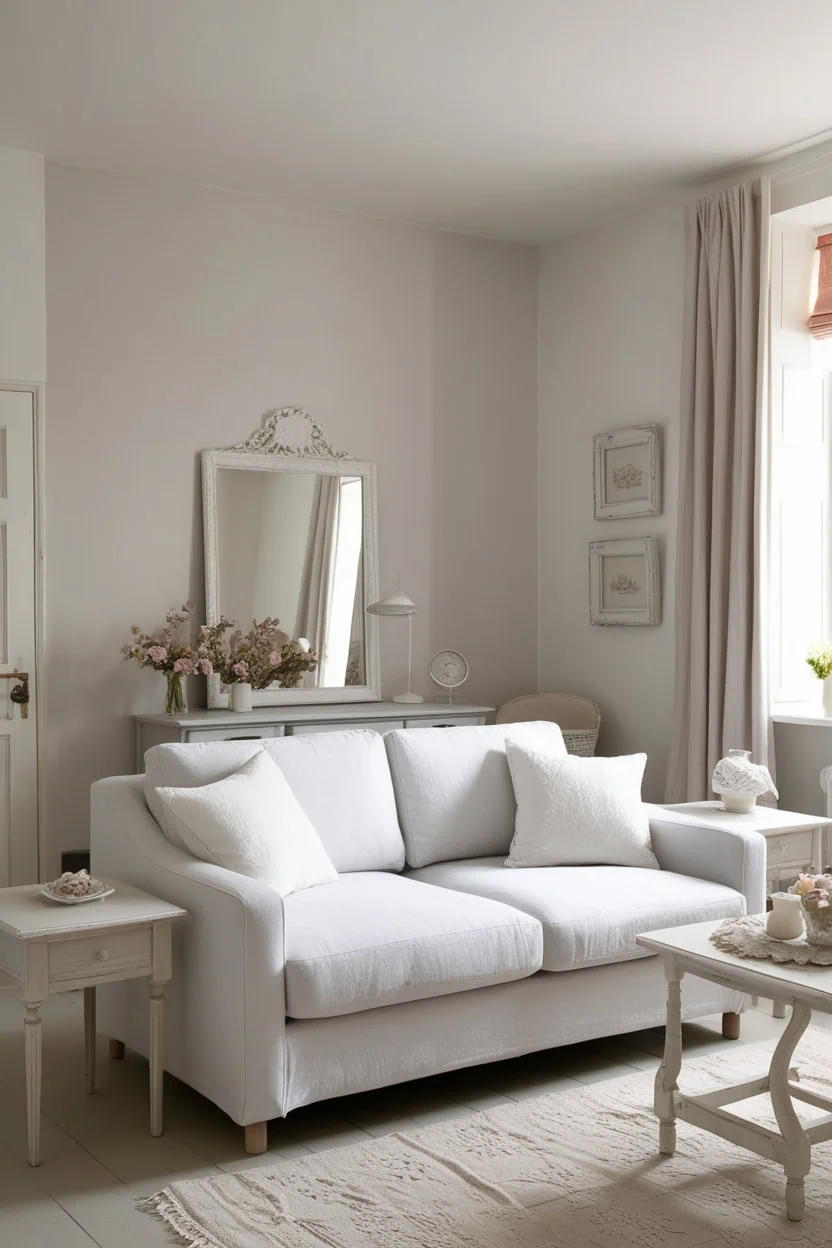
Many small living rooms feel cramped because furniture is pushed straight up against the walls. Instead, slightly repositioning sofas and chairs toward the center of the room can instantly improve balance and circulation. This small adjustment helps the layout feel more open and thoughtfully arranged, rather than tight or boxed in.
When furniture placement is planned with intention, even a limited space can feel easier to navigate. For more inspiration on creating better flow, you can explore our Furniture Arrangement Tips for Small Spaces, where we share practical layout ideas that prevent overcrowding. Just a subtle shift in placement can also allow light to move more freely through the room, making the space appear brighter and more inviting.
3. Use Light Visual-Weight Furniture in Small Living Rooms
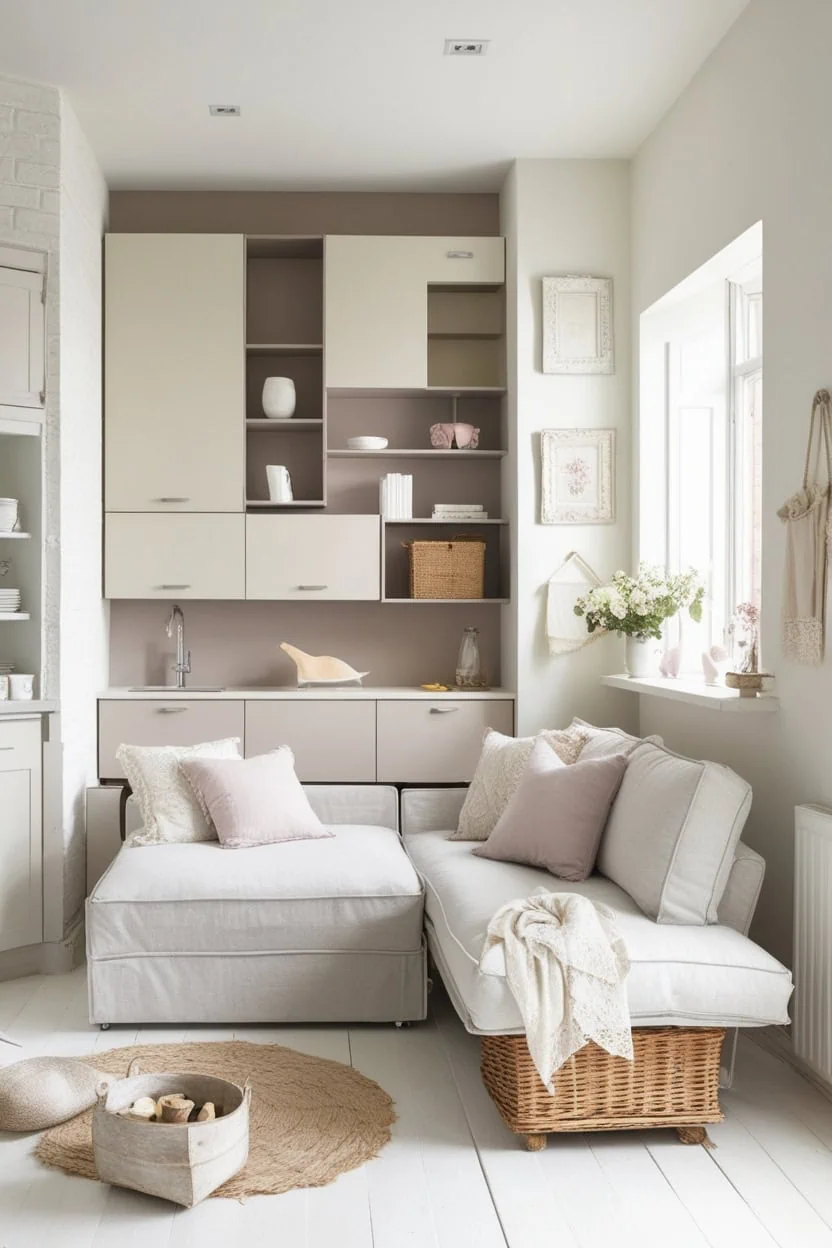
Furniture with a heavy, bulky appearance can overwhelm a small room. Instead, opt for pieces with slim profiles, exposed legs, and open frames. These elements create a lighter visual weight that helps the room feel less crowded.
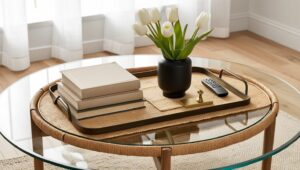
Glass tables, armless chairs, and streamlined sofas are excellent choices. They provide function without dominating the space, making them ideal for small living room layout ideas.
4. Mirror Furniture and Decor to Improve Layout Flow
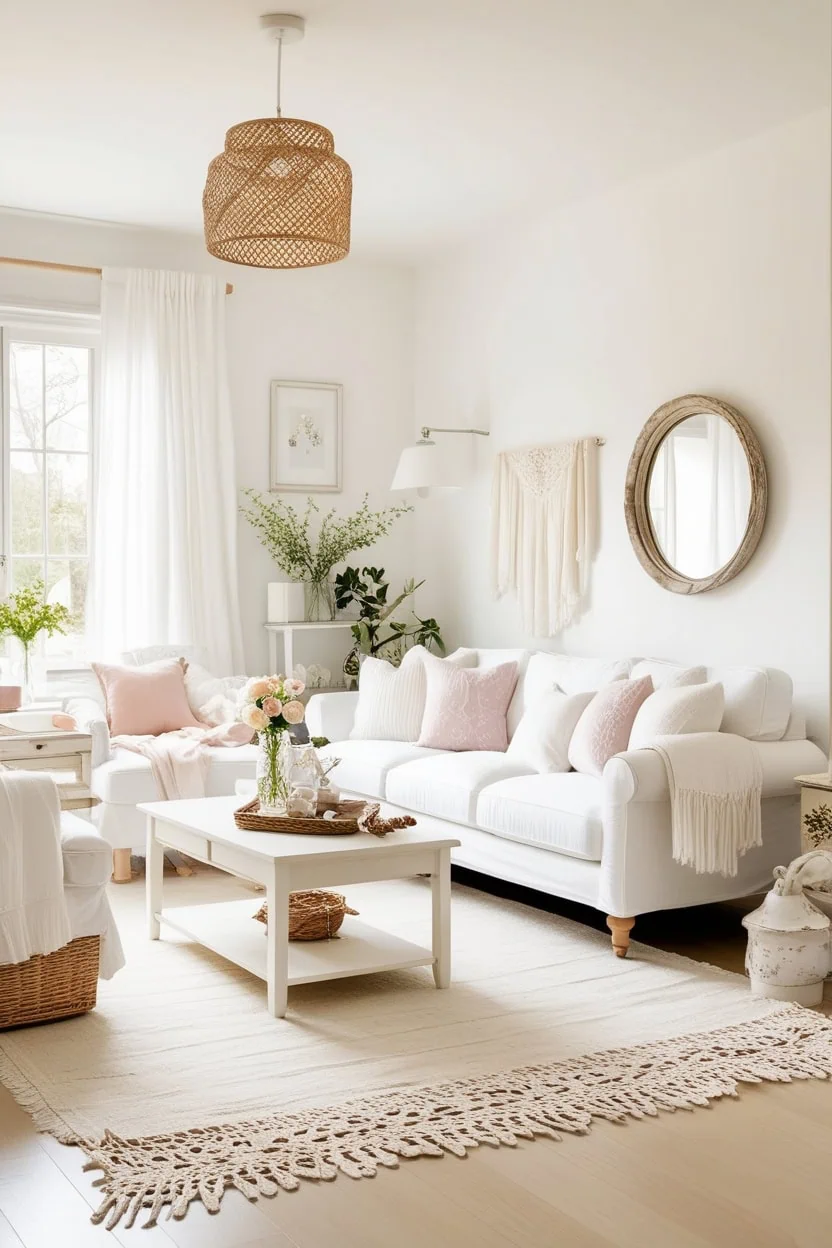
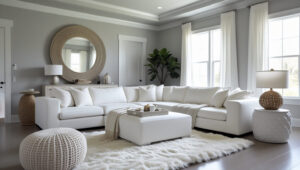
Reflective surfaces can quietly change the way a small living room is perceived. Mirrors help redirect light and draw the eye beyond the room’s physical boundaries, making the layout feel more open and fluid. Positioning a mirror where it can catch natural light—such as across from a window or near a bright corner—can noticeably lift the room’s overall brightness.
Decor elements with subtle shine, like mirrored tables or glossy finishes, can have a similar effect. When used in moderation, these reflective touches add depth and polish without overwhelming the space, allowing the layout to feel lighter, airier, and more balanced.
5. Neutral Color Palettes for Small Living Room Layouts
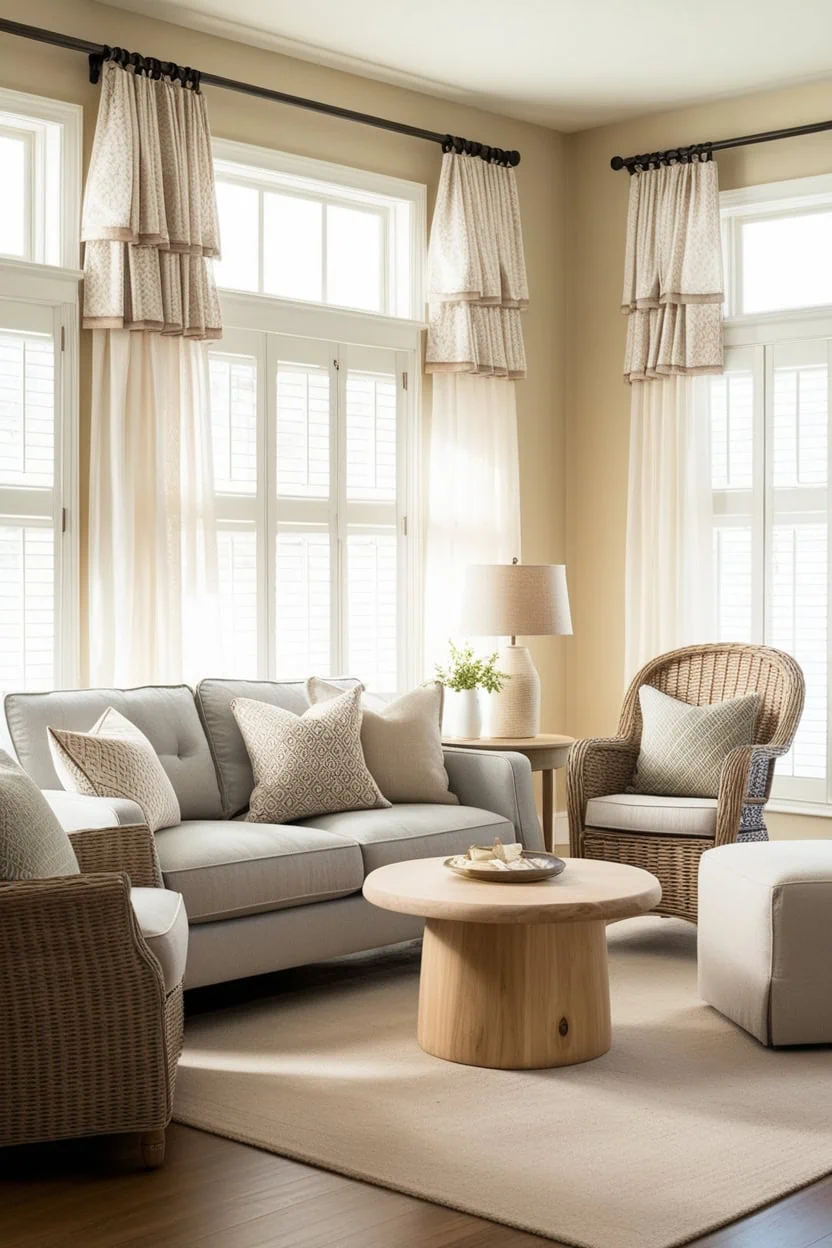
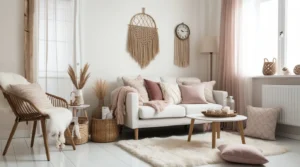
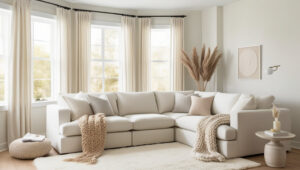
Neutral tones play an essential role in helping a small living room feel open and balanced. Shades like soft white, beige, warm gray, and light taupe create a calm backdrop that allows the layout to breathe rather than feel visually crowded. Color selection matters just as much as furniture placement, and exploring beautiful paint shades for small living rooms can help you choose hues that visually expand the room.
Keeping a consistent palette across walls, furniture, and decor minimizes visual breaks, allowing the space to feel more cohesive and harmonious. To prevent the room from feeling flat, layer in texture through fabrics, finishes, and subtle pattern variations while maintaining the same light, neutral base.
6. Space-Defining Layout Ideas for Small Living Rooms
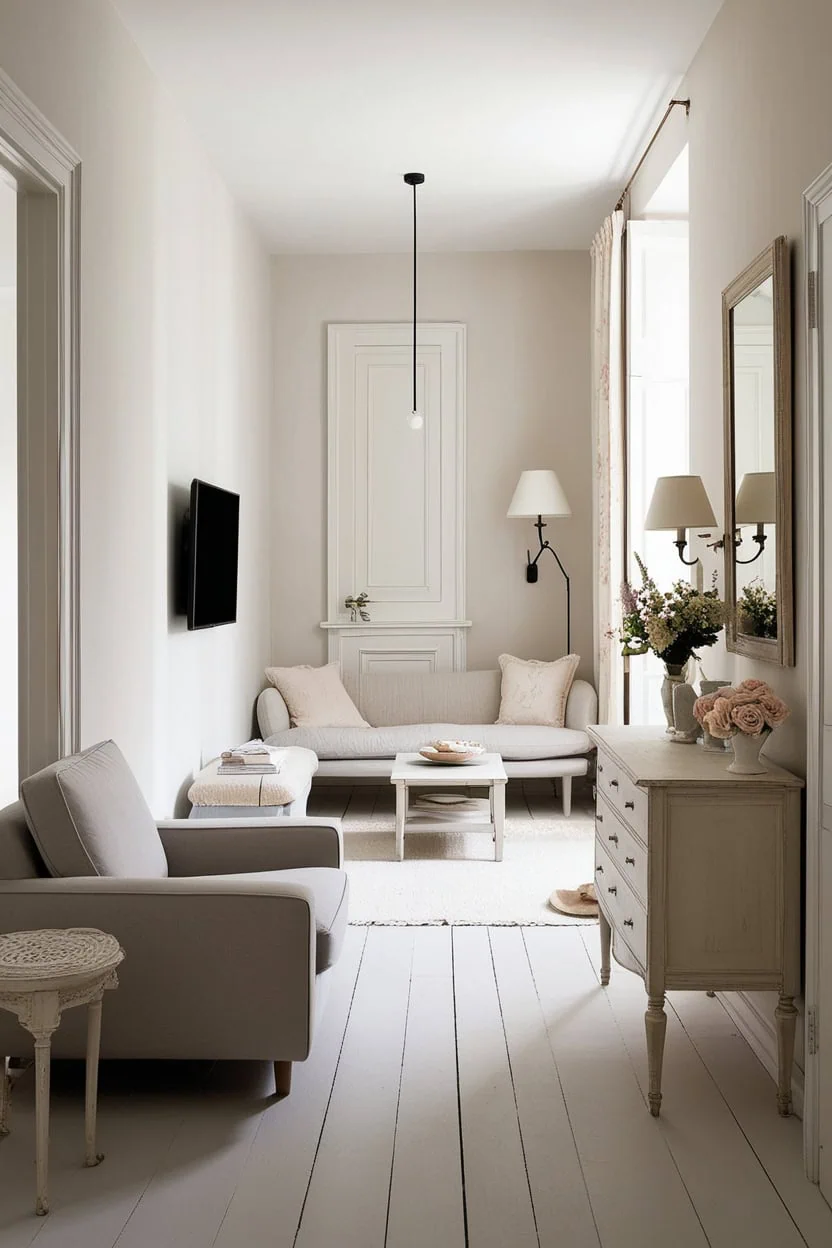
In small living rooms, especially those that serve multiple purposes, defining zones is essential. A rug can anchor a seating area, while a sofa or console table can subtly separate spaces.
Clear boundaries help the room feel organized and intentional. Even in compact layouts, this approach adds structure without closing off the space.
7. Maximize Vertical Space in Small Living Room Layouts
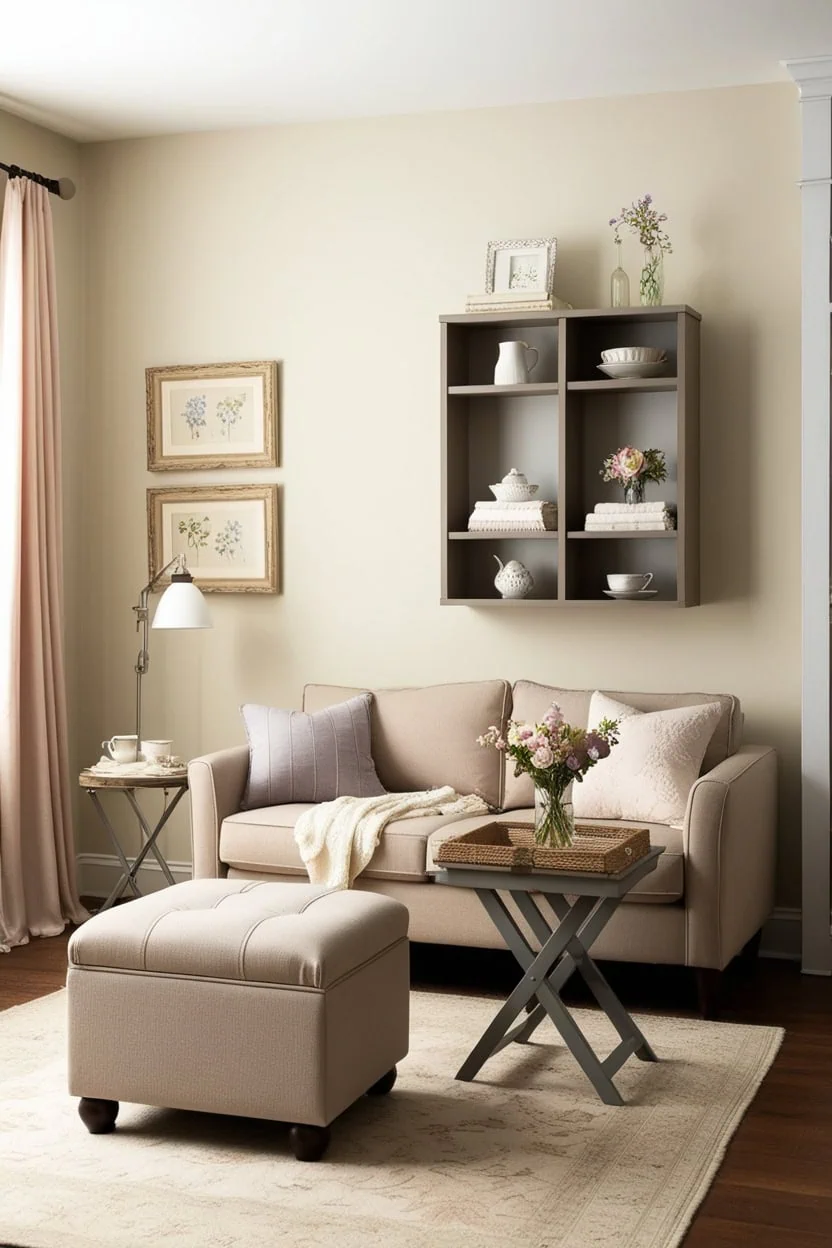
When floor space is limited, look upward. Vertical storage solutions, tall shelving units, and wall-mounted decor draw the eye up and make ceilings feel higher.
Floating shelves and vertical artwork keep the floor clear while adding style and storage. This is one of the most effective small living room layout ideas for creating a sense of openness.
8. Choose Small-Scale Furniture for Better Layout Balance
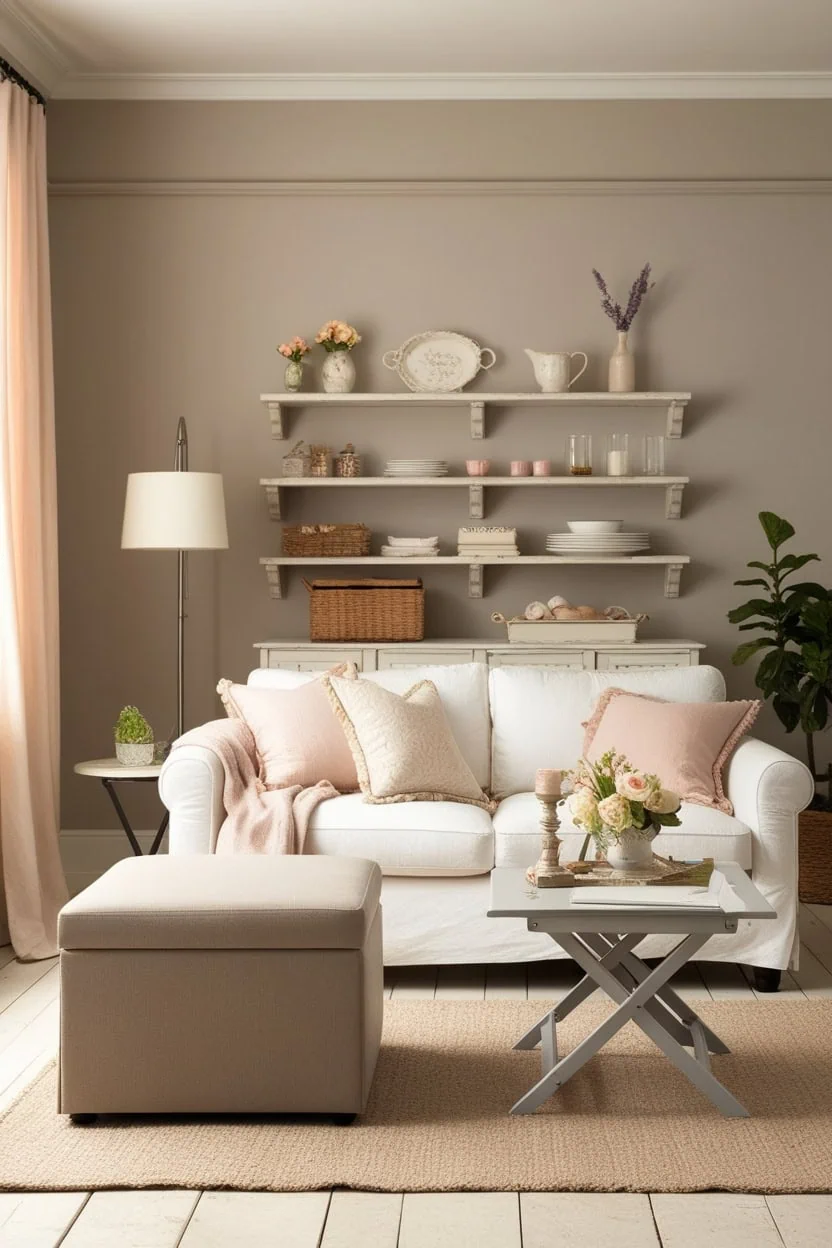
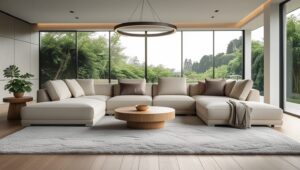
Oversized furniture can quickly overwhelm a small living room, making the layout feel tight and unbalanced. Instead, opt for pieces designed with compact spaces in mind. A loveseat or sectional with a slimmer profile often works better than a full-sized sofa, and exploring smart corner sofa ideas for small spaces can help you make the most of every inch without sacrificing comfort.
Proportion plays a major role in how open a room feels. Furniture that suits the scale of the space allows for easier movement and keeps the layout from feeling crowded or heavy.
9. Use Natural Light to Enhance a Small Living Room Layout
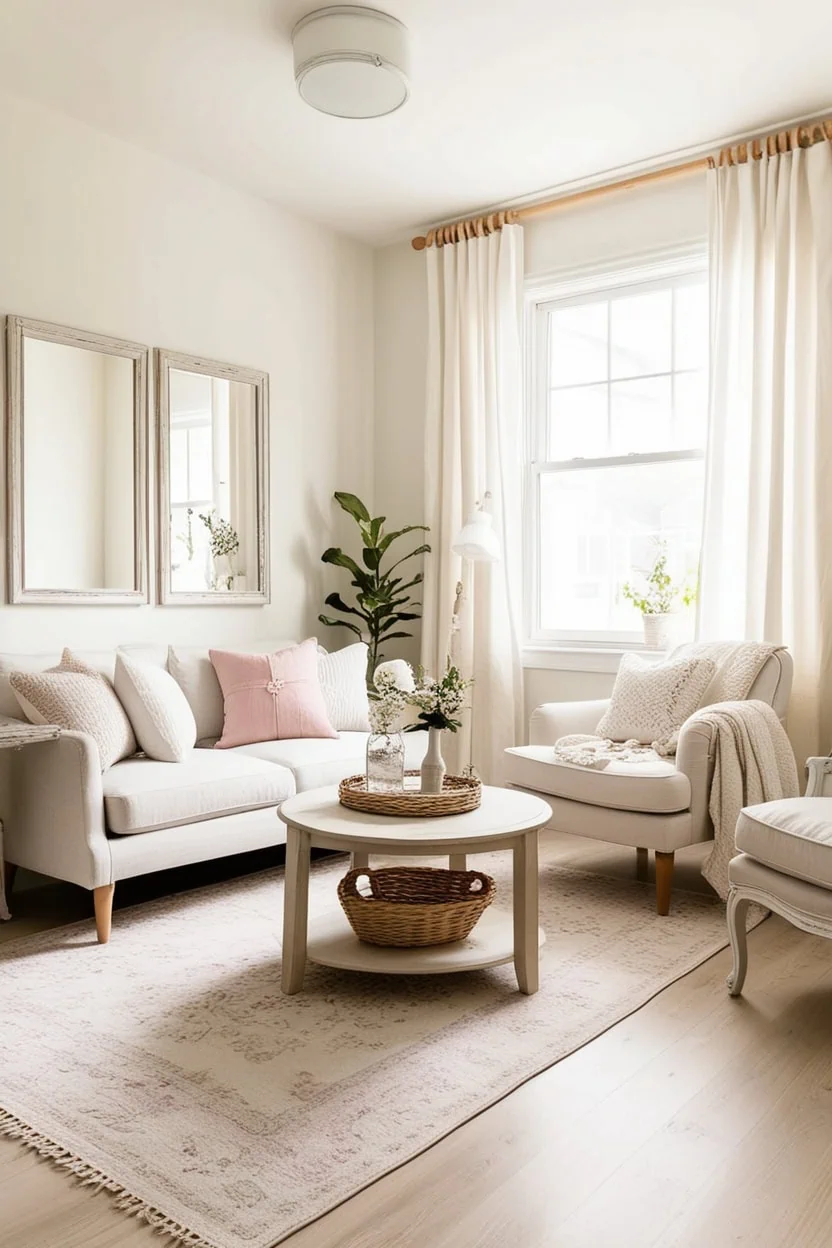
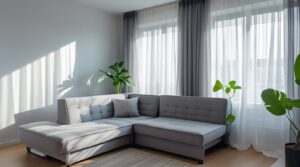
Natural light is one of the most effective ways to visually expand a small living room. Keeping windows clear with light, airy treatments or minimal shades allows daylight to move freely through the space. For more inspiration, our guide on small living room natural light ideas for a brighter space offers practical ways to enhance brightness without overwhelming the room.
Arrange seating to benefit from daylight, and avoid placing tall furniture in front of windows. When light is allowed to flow naturally, the living room feels more open, inviting, and comfortable.
10. Open-Concept Small Living Room Layout Ideas
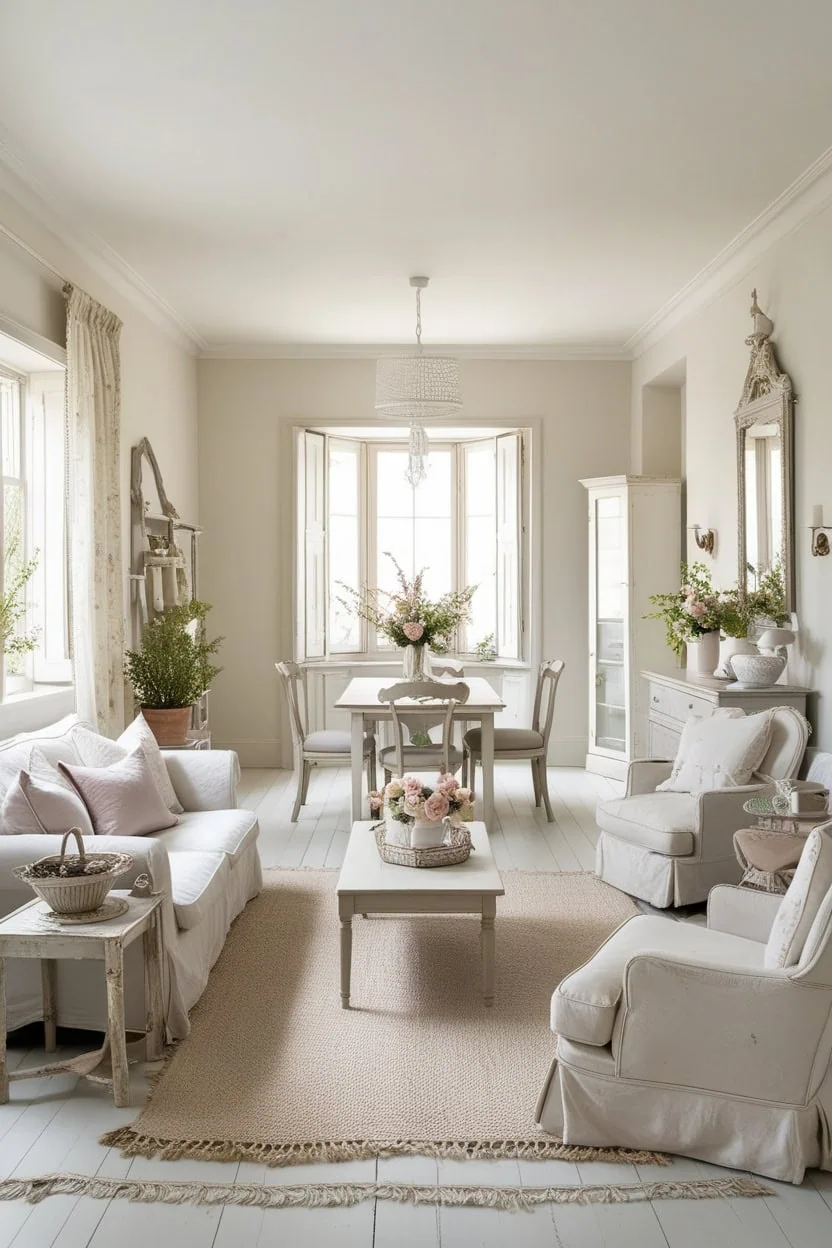
In open-concept homes, less is often more. Filling the space with too many pieces can interrupt the flow and make the entire area feel smaller than it actually is. Focusing on essential furniture allows the living room to breathe and keeps the layout visually balanced.
Negative space plays a crucial role in open layouts, helping to define zones without the need for physical barriers. When the living room connects smoothly with nearby spaces, such as the dining area or kitchen, the overall design feels more unified. A cohesive layout encourages natural movement and maintains an open, airy atmosphere throughout the home.
11. Repeat Light Colors for a Cohesive Layout
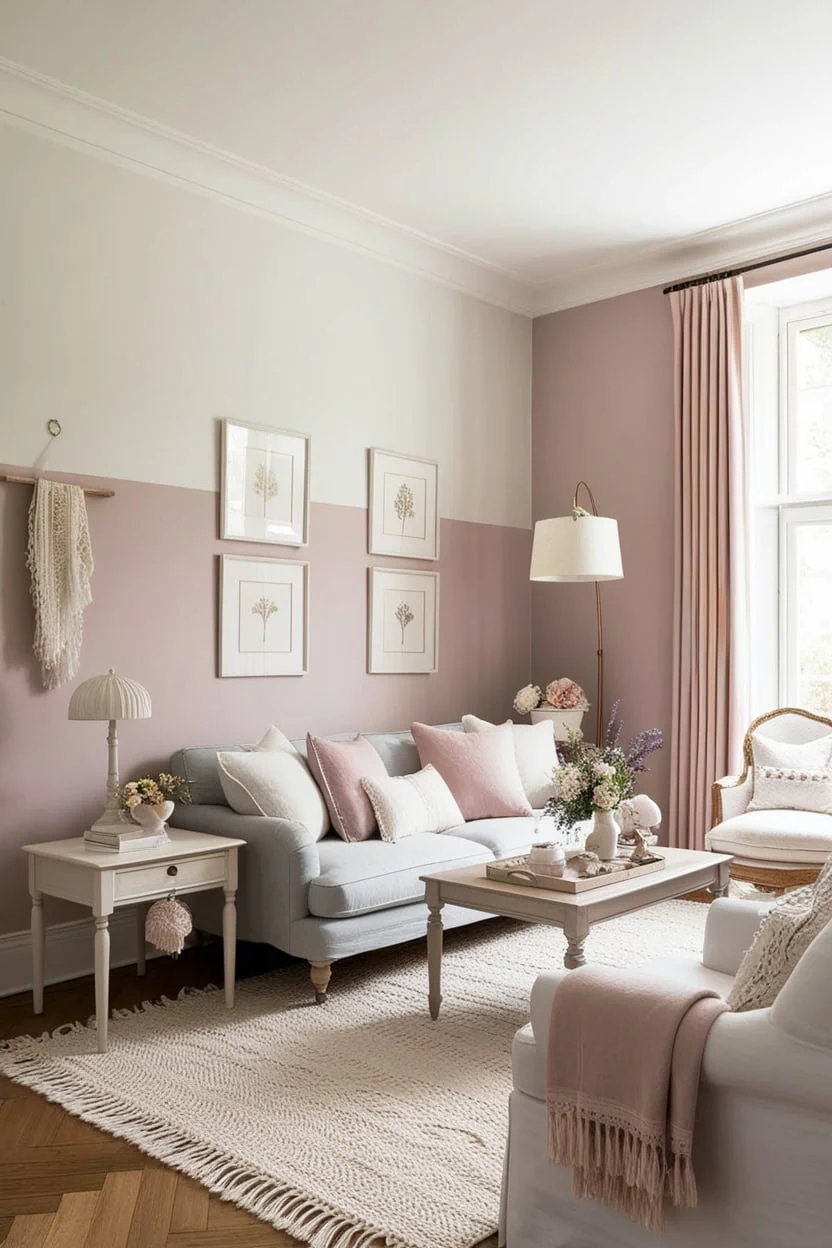
Using light colors consistently across furniture, walls, and accessories helps create a smooth visual rhythm. This repetition reduces harsh contrasts that can break up the space and make it feel uneven. A unified color story allows the eye to move easily from one area to another.
Elements like soft upholstery, pale rugs, and subtly coordinated decor enhance the sense of continuity. When light tones are layered thoughtfully, the living room feels calm, balanced, and more spacious without appearing flat or overly simple.
12. Multi-Functional Furniture for Small Living Room Layouts
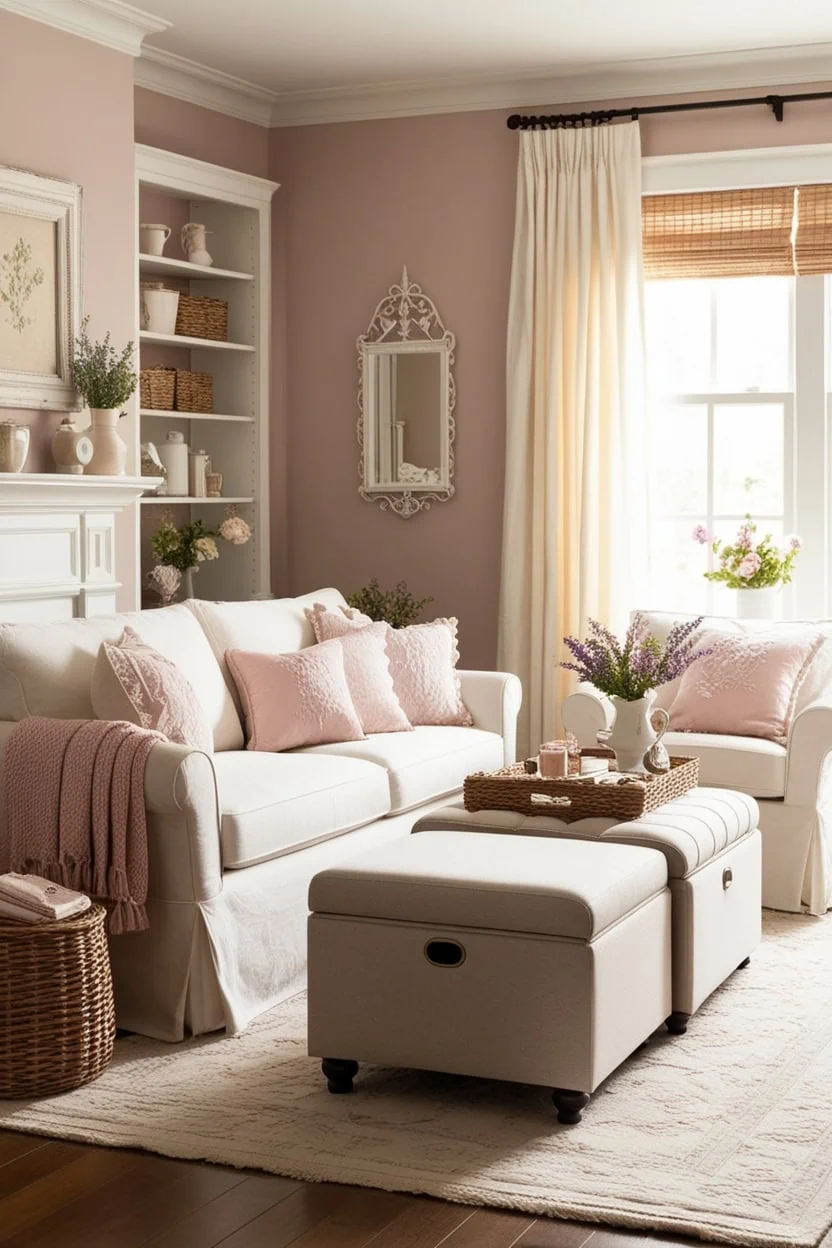
In a small living room, furniture needs to work a little harder. Choosing pieces that can serve multiple roles—such as seating that doubles as storage or tables that adjust in size—helps make better use of limited space without overcrowding the layout. This approach keeps the room flexible and ready for different activities throughout the day.
Relying on fewer, more versatile items also helps maintain a sense of openness. When furniture is selected with purpose, the living room feels easier to manage, more efficient, and visually calm, all while remaining comfortable and practical for everyday living.
13. Design Clear Traffic Paths in Small Living Room Layouts
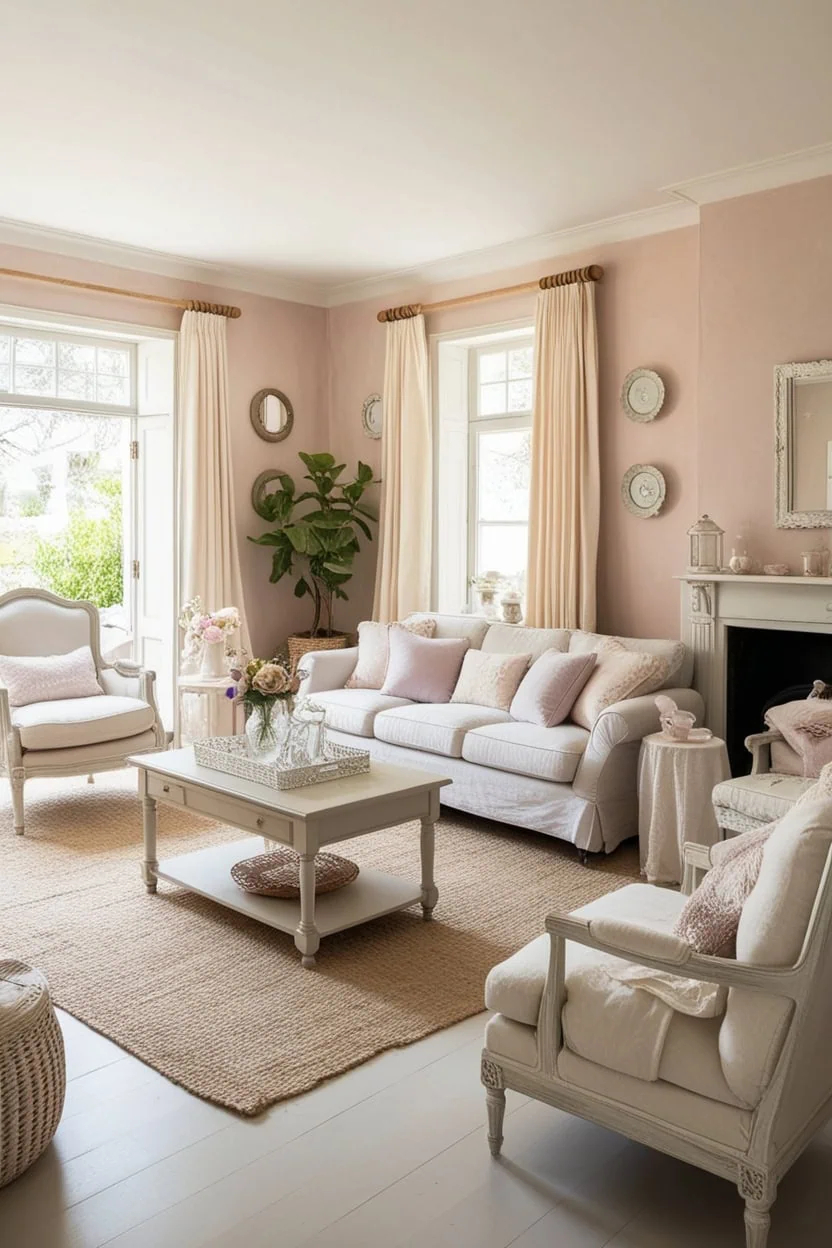
A well-planned layout allows people to move through the room effortlessly. Clear traffic paths around furniture prevent the space from feeling tight or awkward and help maintain a natural flow. Even in compact living rooms, allowing enough room to walk comfortably makes a noticeable difference.
Be mindful of where large furniture is placed so it doesn’t block entrances, windows, or common walkways. When movement feels easy and unobstructed, the living room becomes more functional and far more enjoyable to use.
14. Strategic Furniture Alternatives for Small Layouts
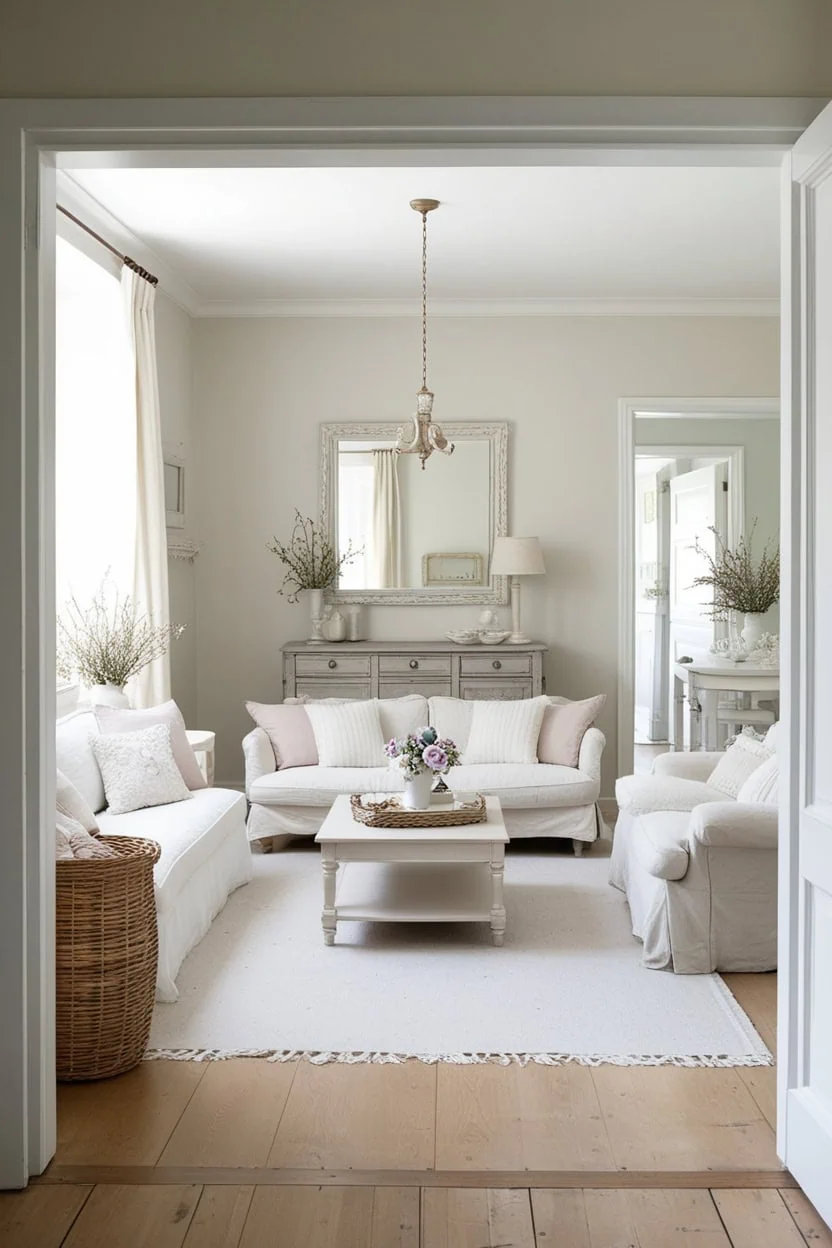
Traditional furniture isn’t always the best choice for small living rooms, especially when floor space is limited. Exploring alternatives such as wall-mounted desks, floating media units, or backless stools can help reduce visual bulk and free up valuable space. These pieces serve the same functions as standard furniture but occupy far less space.
By keeping more of the floor visible, the layout feels lighter and easier to move through. Strategic furniture alternatives also allow the room to adapt to changing needs, making the space feel flexible rather than fixed. When chosen thoughtfully, they support both comfort and style while maintaining an open, uncluttered look.
15. Smart Storage Ideas for Small Living Room Layouts
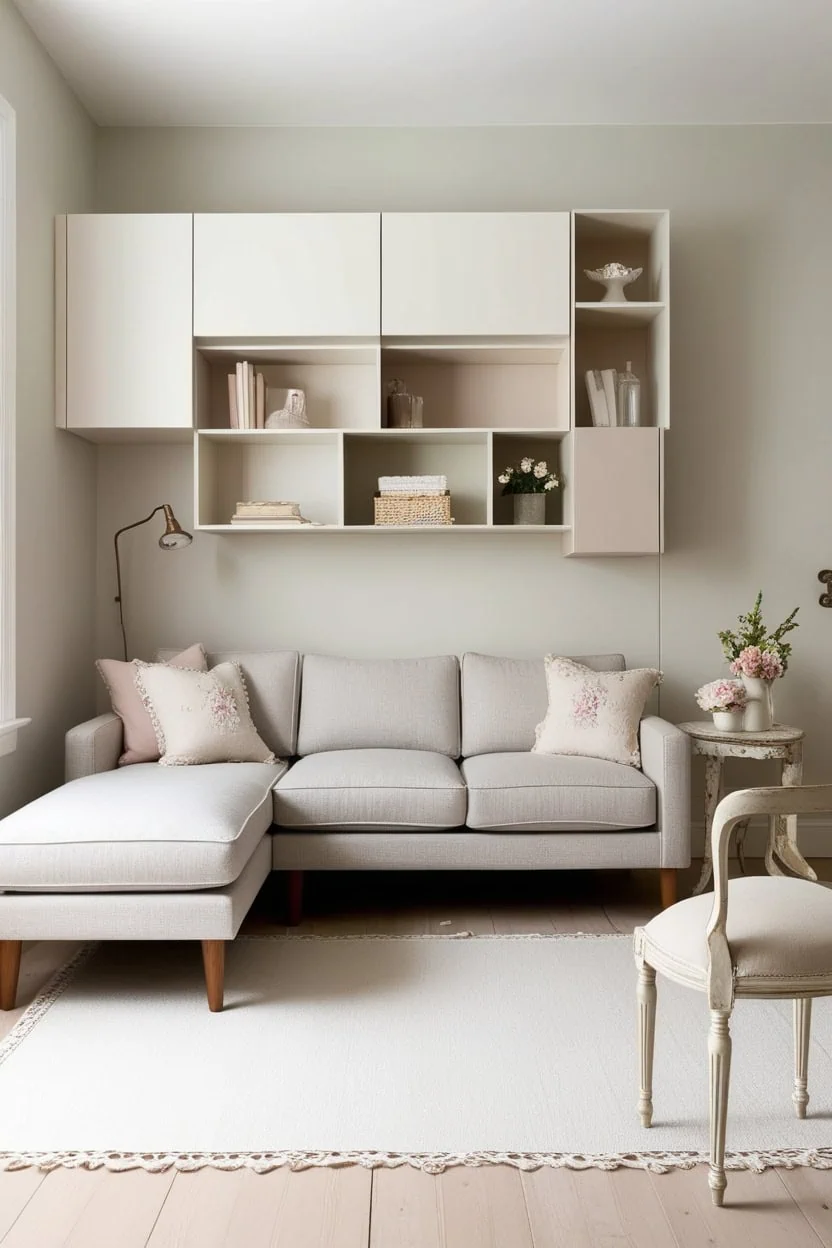
Clutter can quickly make a small living room feel crowded, which is why storage should be planned as carefully as the layout itself. Solutions like integrated shelving, decorative baskets, and hidden compartments help keep everyday items organized without drawing attention to them.
When belongings have a designated place, the room feels calmer and more spacious. Well-designed storage not only improves functionality but also enhances the overall look of a small living room layout by keeping the space clean, balanced, and visually open.
Conclusion
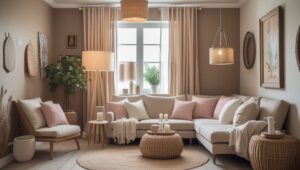
Designing a small living room doesn’t mean giving up comfort or style. With the right layout strategies, even the most compact space can feel open, balanced, and genuinely inviting. By paying attention to proportion, natural light, and flow, you can create a living room that supports everyday life while still feeling warm and welcoming. For more inspiration on adding personality and comfort, exploring ideas for creating a cozy small living room can help you bring softness and charm into your layout.
These small living room layout ideas show that thoughtful design choices matter far more than square footage alone. When every element has a clear purpose, the room naturally feels larger, more refined, and effortlessly comfortable.
FAQs
How do I arrange furniture in a very small living room?
Start with a focal point and choose small-scale furniture. Keep walkways clear and avoid overcrowding the space.
What furniture works best in small living rooms?
Lightweight, slim-profile furniture and multi-functional pieces work best for maximizing space.
Should I push furniture against the walls?
Not always. Pulling furniture slightly away from the walls can improve flow and make the room feel more spacious.
How can I make my small living room feel bigger?
Use light colors, maximize natural light, incorporate mirrors, and maintain a clutter-free layout.