10 Best White Light Bulbs Ideas for Small Living Room: Complete Guide + Top Picks
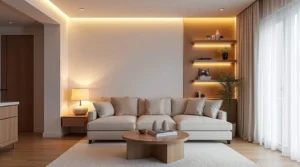
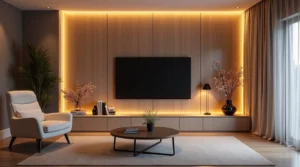
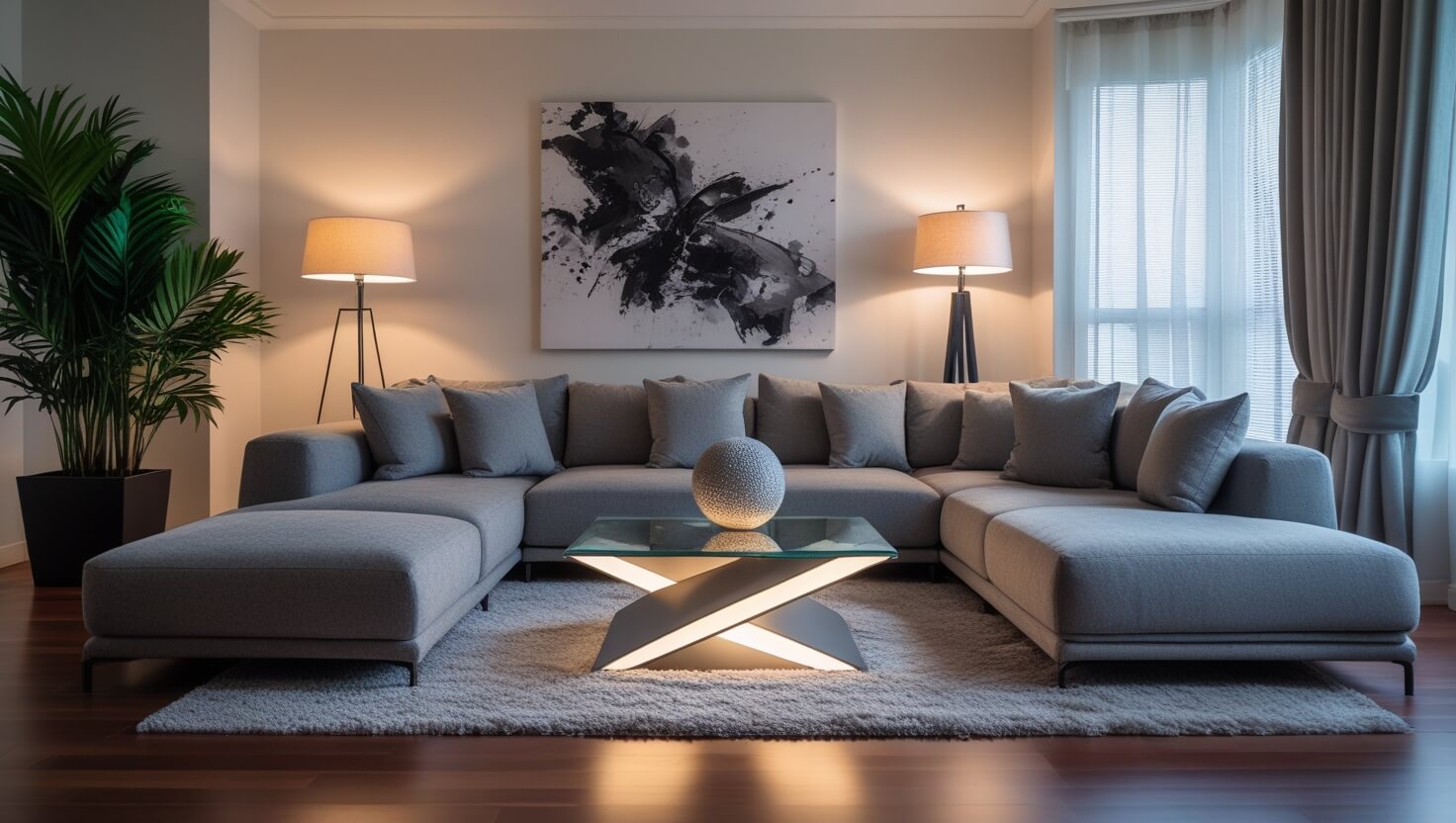
Creating a fresh, bright, and stylish space starts with choosing the right white light bulbs for living room design. The right lighting can instantly make your space feel more open, clean, and welcoming while highlighting every detail of your decor. If you’re working with a smaller space, you can also explore these small living room decor ideas to make your room feel more comfortable and well-designed.
But not all white light is the same—some bulbs create a crisp, energizing glow, while others offer a softer and more relaxing brightness. Understanding this difference becomes even more important when you’re planning your setup with small living room lighting ideas that actually work in real spaces. For a better understanding of brightness and energy use, you can also check this helpful guide on lighting choices that save energy.
In this guide, you’ll discover the best white light bulbs that combine style, efficiency, and long-lasting performance—helping you create a living room that feels bright, modern, and inviting.
Why White Light Bulbs Matter in a Small Living Room
White light is one of the best choices for small spaces because it creates a clean and open atmosphere. Unlike warm yellow lighting, white light reflects better across walls and furniture, helping your room appear bigger.
It also improves visibility, making your living room feel more organized and fresh. This is especially important if your space has limited natural light. When paired with the right decor and layout, white lighting can highlight textures, colors, and design details beautifully.
Another key benefit is versatility. White light works well with modern, minimal, and neutral interior styles—making it perfect for today’s small living room trends. If you want to explore more about energy-efficient lighting options, you can refer to this helpful guide.
Types of White Light You Should Know
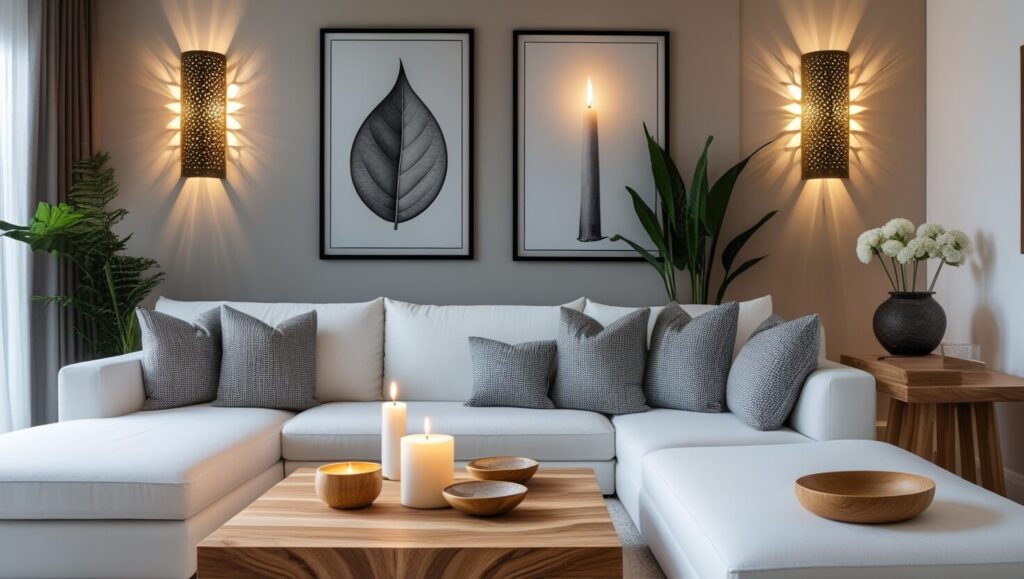
Before choosing a bulb, it’s important to understand the different types of white light available.
Cool White (4000K–5000K)
Cool white lighting is bright and crisp. It’s ideal for modern living rooms where you want a clean and energetic feel. This type of light works well for reading and daily activities.
Daylight (5000K–6500K)
Daylight bulbs mimic natural sunlight. They are perfect for small living rooms because they make the space feel airy and open. This is one of the best options if your room lacks windows.
Soft White (2700K–3000K)
Soft white has a slightly warm tone but still provides enough brightness. It’s a good choice if you want a mix of comfort and clarity without making the room feel too yellow.
How to Choose the Right White Light Bulb
Choosing the right bulb isn’t just about brightness—it’s about balance.
1. Focus on Lumens, Not Watts
Lumens measure brightness. For a small living room, aim for 1,500 to 3,000 lumens depending on your lighting setup.
2. Choose LED Bulbs
LED bulbs are energy-efficient, long-lasting, and provide consistent brightness. They are the best option for modern homes.
3. Pick the Right Color Temperature
For small spaces, daylight or cool white works best because it enhances openness.
4. Consider Bulb Shape
Standard A19 bulbs are suitable for most fixtures, while globe bulbs are ideal for decorative lighting.
Top 10 Best White Light Bulbs for Small Living Room (Top Picks)
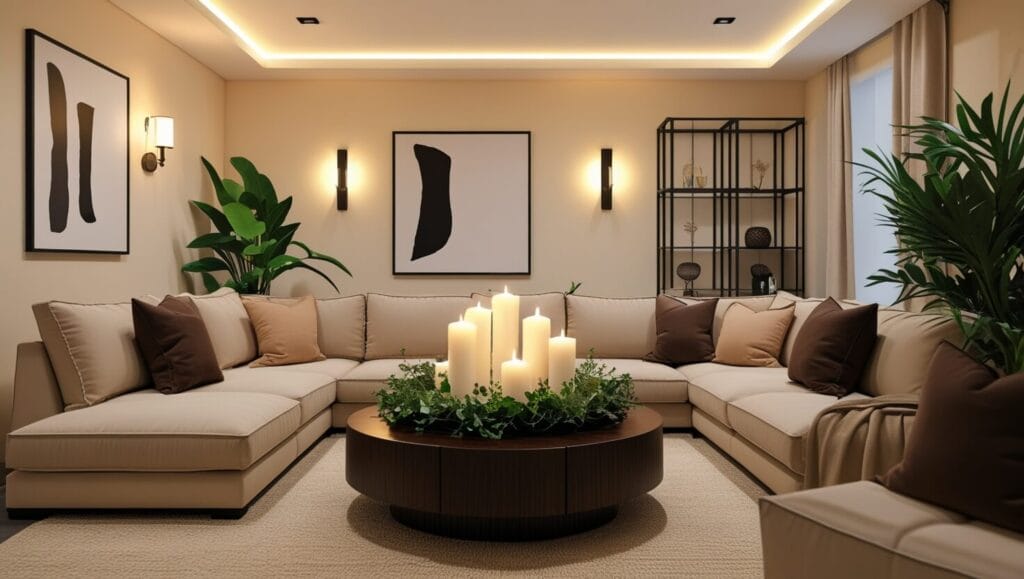
Finding the perfect white light bulbs for your living room can make a world of difference in terms of ambiance, efficiency, and brightness. Here are our top 10 picks for the best white light bulbs for the living room, each offering exceptional performance and quality.
1. Philips LED Warm White Light Bulb
Key Features:
- 2700K warm white color
- 10W energy-efficient LED
- Dimmable option
Pros:
- Long lifespan (up to 25,000 hours)
- Soft and cozy lighting
- Great for relaxing spaces
Cons:
- Slightly higher price
Best For:
Creating a warm and relaxing living room atmosphere
2. GE Refresh LED Bright White Bulb
Key Features:
- 5000K daylight tone
- High brightness LED
- Energy-efficient design
Pros:
- Bright and clean lighting
- Ideal for small spaces
- Long-lasting performance
Cons:
- Can feel too bright in evenings
Best For:
Small living rooms needing a bright, open look
3. LIFX Smart LED White Light Bulb
Key Features:
- Adjustable 2500K–9000K
- Wi-Fi enabled
- Smart app control
Pros:
- Full brightness control
- Smart home compatible
- High-quality lighting
Cons:
- Expensive
Best For:
Smart lighting setups with full customization
4. Cree LED Bulb (60W Equivalent)
Key Features:
- 2700K soft white
- Energy-efficient LED
- Dimmable
Pros:
- Affordable
- Reliable performance
- Energy-saving
Cons:
- Slightly lower brightness
Best For:
Budget-friendly everyday lighting
5. Sylvania Smart+ LED White Bulb
Key Features:
- Smart control enabled
- Adjustable brightness
- 2700K warm white
Pros:
- App and voice control
- Good lighting quality
- Flexible usage
Cons:
- May require hub
Best For:
Smart lighting flexibility
6. Amazon Basics LED Light Bulb
Key Features:
- 5000K daylight
- 1600 lumens
- 9W power usage
Pros:
- Very bright output
- Affordable
- Long lifespan
Cons:
- Not dimmable
Best For:
Brightening large or dark living rooms
7. Philips Hue White LED Bulb
Key Features:
- 2200K–6500K adjustable
- Smart-enabled system
- Works with Alexa & Google
Pros:
- Full customization
- Smart home integration
- Premium quality
Cons:
- Expensive
Best For:
Advanced smart home users
8. Maxxima LED Light Bulb
Key Features:
- 3000K warm white
- 60W equivalent
- Energy-efficient
Pros:
- Dimmable
- Cozy lighting effect
- Efficient
Cons:
- Moderate brightness
Best For:
Mood lighting setups
9. IKEA SINNERLIG LED-Birne
Key Features:
- 2700K warm tone
- LED efficiency
- Minimal design
Pros:
- Budget-friendly
- Long-lasting
- Stylish simplicity
Cons:
- Lower brightness
Best For:
Simple and eco-friendly lighting
10. Lutron Caseta Smart Bulb
Key Features:
- Smart dimming control
- Adjustable white tone
- Compatible with Lutron system
Pros:
- Smooth brightness control
- Energy-efficient
- Great ambiance control
Cons:
- Requires system setup
Best For:
Smart dimming and ambiance control
How to Install White Light Bulbs in Your Living Room
Installing white light bulbs in your living room is a simple task that can instantly elevate the space. Here’s a step-by-step guide on how to install and replace your light bulbs to ensure they deliver the best performance.
1. Turn Off the Power
Before you start, always make sure the power to the light fixture is turned off at the switch or circuit breaker. This ensures safety while handling electrical components.
2. Remove the Old Bulb
If you’re replacing an old bulb, carefully remove it by twisting it counterclockwise. If the bulb is stuck, you can use a cloth or gloves for a better grip.
3. Install the New Bulb
Take your new white light bulb and screw it into the socket by twisting it clockwise until it’s securely in place. Be sure to choose the correct bulb size and base type for the fixture.
4. Turn the Power Back On
Once the new bulb is in place, flip the switch or turn the power back on at the circuit breaker. Check if the bulb lights up properly.
5. Adjust the Lighting (Optional)
If your bulb is dimmable, adjust the brightness according to your preference. Some bulbs, especially smart bulbs, may require additional setup using an app or smart home system.
6. Dispose of Old Bulbs Properly
When disposing of old bulbs, be sure to follow local recycling regulations, especially for fluorescent or CFL bulbs that contain mercury.
By following these simple steps, you can easily enhance your living room with the perfect white light bulbs for your space.