15 Smart Furniture Arrangement Tips for Small Spaces That Actually Work
If your home feels tight, crowded, or awkward, it’s time to rethink your strategy. The right furniture arrangement tips for small spaces can dramatically transform how your room looks, feels, and functions. With intentional placement, smart spacing, and thoughtful design choices, even the tiniest living room can feel open, airy, and beautifully balanced.
You don’t need bigger square footage. You need smarter positioning.
By understanding the basic principles of space planning used by professional designers, you can unlock the true potential of your home—just as experts at Architectural Digest often emphasize when discussing functional interiors.
Let’s redesign your layout the smart way.
01 | Measure and Plan Before Moving Anything
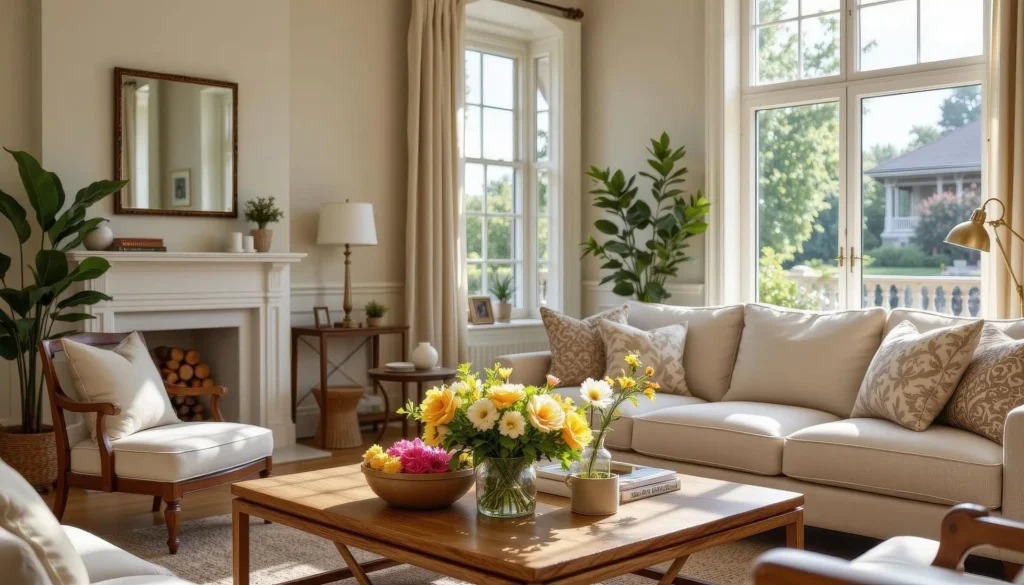
Before you rearrange, measure your room.
- Measure wall lengths
- Note window and door placement
- Measure large furniture pieces
Many layout mistakes happen because homeowners guess. Planning prevents overcrowding and awkward gaps. Even sketching your room on paper can make a huge difference.
Smart layouts start with smart measurements.
02 | Embrace Minimalism and Declutter First
Before applying any furniture arrangement tips for small spaces, remove what you don’t need.
Small rooms demand clarity. Too many chairs, tables, and decor pieces make any layout fail.
Ask yourself:
- Do I use this daily?
- Does this add a function?
- Is this just filling space?
Minimalism creates breathing room—and breathing room creates elegance.
Related: 25 Modern Minimalist Small Living Room Ideas.
03 | Start With a Clear Focal Point
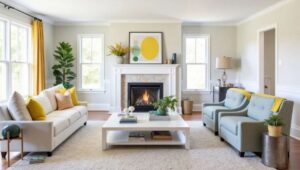
Every room needs one main feature. It could be a TV, window, fireplace, or statement wall. Arrange your largest furniture piece facing that focal point. This creates balance and prevents random placement.
Related: Small Living Room Layout With Fireplace.
04 | Don’t Push Everything Against the Walls
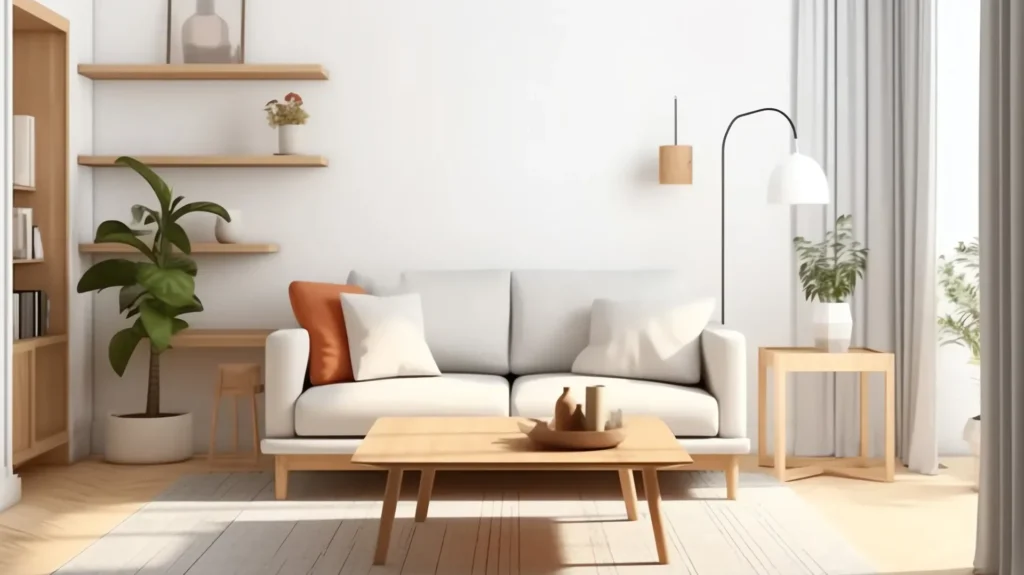
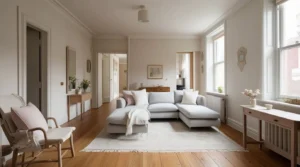
Many people think pushing furniture against walls makes a room look bigger. In reality, it can make it feel disconnected. Try floating your sofa slightly away from the wall. This creates depth and makes the layout feel intentional.
One of the most effective furniture arrangement tips for small spaces is learning when to leave breathing room.
05 | Use Hidden Storage to Reduce Visual Clutter
One of the most underrated layout tricks is hidden storage.
Look for:
- Storage ottomans
- Beds with drawers
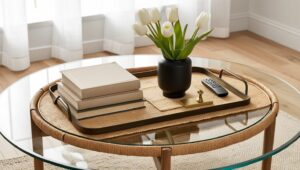
- Coffee tables with lift tops
- Benches with compartments
When items are hidden, the room instantly feels larger. Visual clutter is the biggest enemy of small spaces.
06 | Choose Foldable or Expandable Furniture
Foldable furniture is powerful in compact homes.
Examples:
- Drop-leaf dining tables
- Foldable desks
- Wall-mounted fold-down tables
- Stackable chairs
These allow flexibility. You expand when needed and fold away when not in use.
This flexibility is one of the smartest furniture arrangement tips for small spaces today.
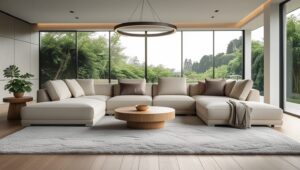
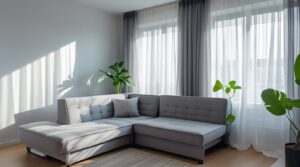
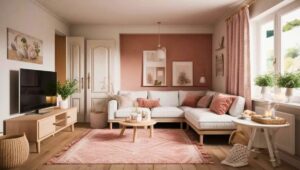
07 | Use Sectionals the Right Way
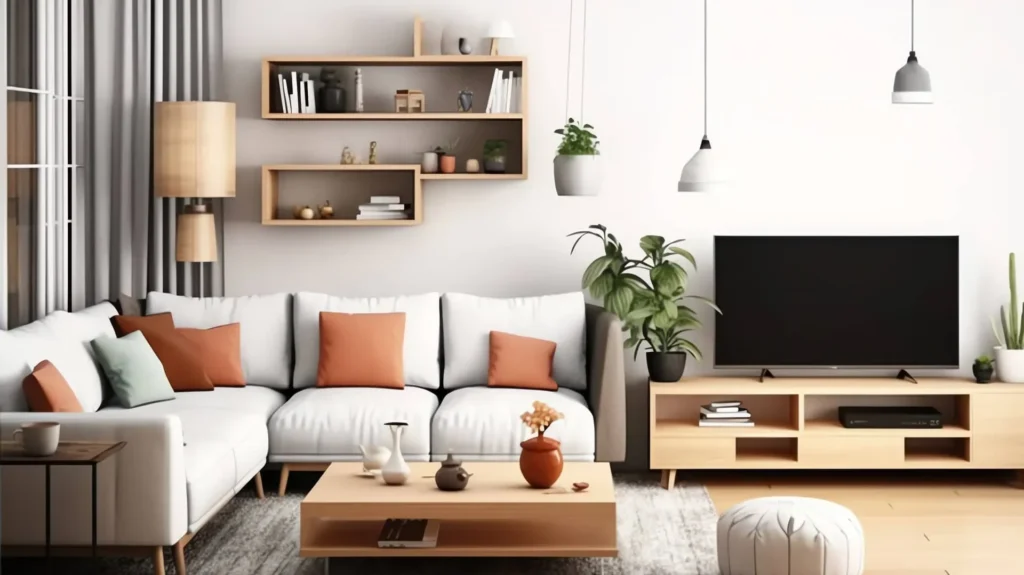
Many people think sectionals are too big for small rooms. That’s not always true.
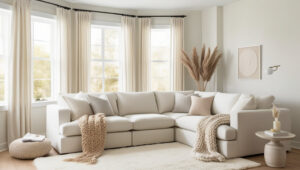
Apartment-sized sectionals can:
- Define the seating area
- Eliminate need for extra chairs
- Maximize corner space
Choose slim-arm designs and lighter colors to prevent heaviness.
Placed correctly, a sectional can actually make your layout more efficient.
Related: Small Living Room Sectional Layout Ideas.
08 | Create Clear Traffic Flow
If you bump into furniture while walking, the layout is wrong.
You need:
- 24–30 inches for walkways
- Clear paths from door to seating
- Easy access to windows
Good flow makes even tiny rooms feel comfortable.
Related: 17 Space-Saving Ideas for Small Living Rooms.
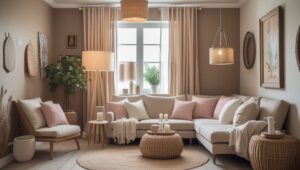
09 | Define Zones (Even in Small Rooms)
Even small spaces need structure.
Use:
- Rugs
- Lighting
- Furniture grouping
For example:
- One rug under sofa area
- Small desk in corner for work zone
Defined areas make a room feel organized rather than cramped.
10 | Use Vertical Space Like a Designer
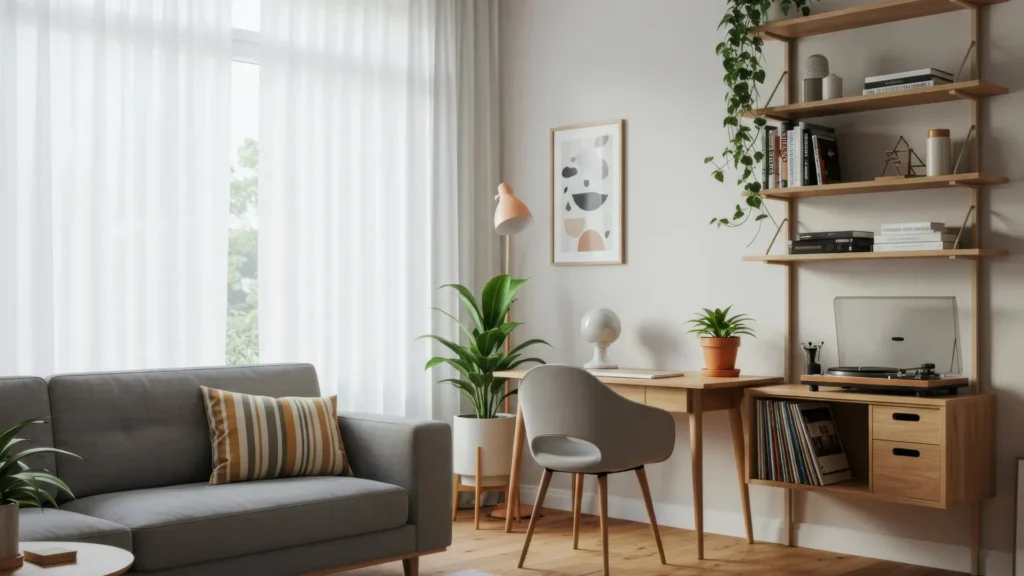
When floor space is limited, go upward.
Install:
- Tall bookshelves
- Floating shelves
- Wall-mounted cabinets
Vertical storage keeps the floor open and airy—a major principle in furniture arrangement tips for small spaces.
11 | Choose Furniture With Legs
Furniture that sits directly on the floor feels heavy.
Sofas and chairs with exposed legs:
- Allow light to pass
- Show more floor
- Create visual openness
This small visual trick makes a big impact.
12 | Add Mirrors to Support Your Layout
Mirrors are not just decoration—they are layout enhancers.
Place mirrors:
- Opposite windows
- Near light sources
- Behind seating areas
They reflect space and make furniture arrangements feel less dense.
13 | Think Multi-Functional First
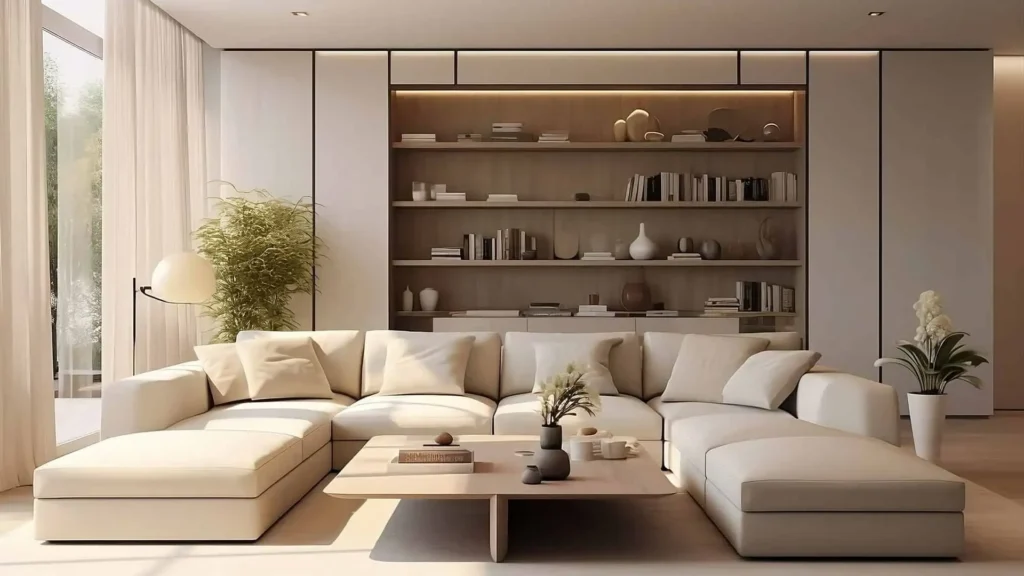
In small homes, every piece should do at least two jobs.
Examples:
- Ottoman + storage
- Sofa + bed
- Bench with shoe storage
- Console + desk
Functional layering is smarter than adding more pieces.
14 | Use Corners Strategically
Corners are often wasted.
Place:
- Compact sectionals
- Accent chairs
- Corner shelves
- Small desks
Using corners opens up the center of the room.
Related: Corner Sofa Ideas for Small Spaces.
15 | Keep the Center Open
One powerful rule in furniture arrangement tips for small spaces:
Keep the center visually open.
Avoid:
- Large center tables
- Bulky ottomans
- Multiple small stools
An open center creates psychological spaciousness.
16 | Balance Heavy and Light Pieces
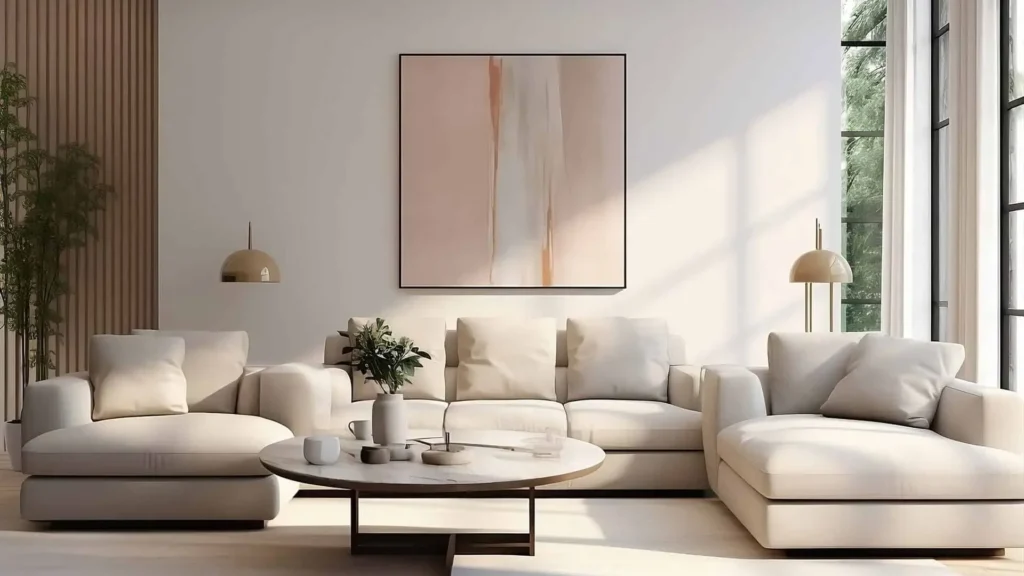
If all heavy furniture is on one side, the room feels unstable.
Balance:
- A heavy sofa with light chairs
- Dark furniture with lighter elements
- Large pieces with open shelving
Balance creates harmony.
17 | Edit, Rearrange, and Test
The best layouts are tested.
Try:
- Moving the sofa to another wall
- Rotating chairs
- Swapping table sizes
Sometimes small changes create dramatic improvement.
Experiment before deciding.
Common Small-Space Layout Mistakes
Avoid these:
- Blocking natural light
- Using dark, bulky furniture
- Ignoring walkways
- Adding too many small accent tables
- Forgetting storage planning
Mistakes often make rooms feel smaller than they are.
Frequently Asked Questions
How do I arrange furniture in a very small living room?
Start with measuring your space. Place the largest item first, create clear walkways, and remove unnecessary pieces before adding more.
Is a sectional good for small spaces?
Yes—if it’s apartment-sized and placed correctly. It can reduce the need for extra seating and maximize corners.
What is the biggest mistake in small space layout?
Overcrowding. Too much furniture ruins flow and comfort.
Final Thoughts
Small rooms require smarter decisions, not bigger budgets. By applying these strategic furniture arrangement tips for small spaces, you can create a layout that feels open, functional, and beautiful.
Measure carefully. Declutter ruthlessly. Choose multi-functional pieces. Use hidden storage. And always prioritize flow.
Your space may be small—but your design impact doesn’t have to be.