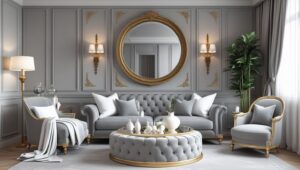
16 Space-Saving Ideas for Small Living Rooms That Actually Work
Space-saving ideas for small living rooms address some of the most common design challenges that come with compact spaces. While small living rooms can feel limiting at first, they’re rarely unsolvable. Often, a smarter furniture layout, a lighter paint color, or a simple design adjustment is enough to dramatically improve how the space looks and feels. Thoughtful choices in color, furniture, and storage can completely change how comfortable a small living room feels for relaxing or entertaining.
Because a small space demands more intention, careful planning of seating, lighting, and traffic flow is essential to prevent the room from feeling cramped or overstuffed. Design experts frequently note that strategic layouts and well-proportioned furniture can make even the smallest living rooms feel balanced and inviting—a principle often highlighted in professional design resources such as Architectural Digest. With the right approach, a compact living room can appear larger, more open, and easier to live in.
By applying these space-saving ideas for small living rooms, you can maximize both function and style, no matter your budget or timeline. The ideas below focus on practical ways to add storage, improve flow, and create the illusion of more space—helping you get the most out of every square foot.
1. Choose Furniture with Exposed Legs to Save Space
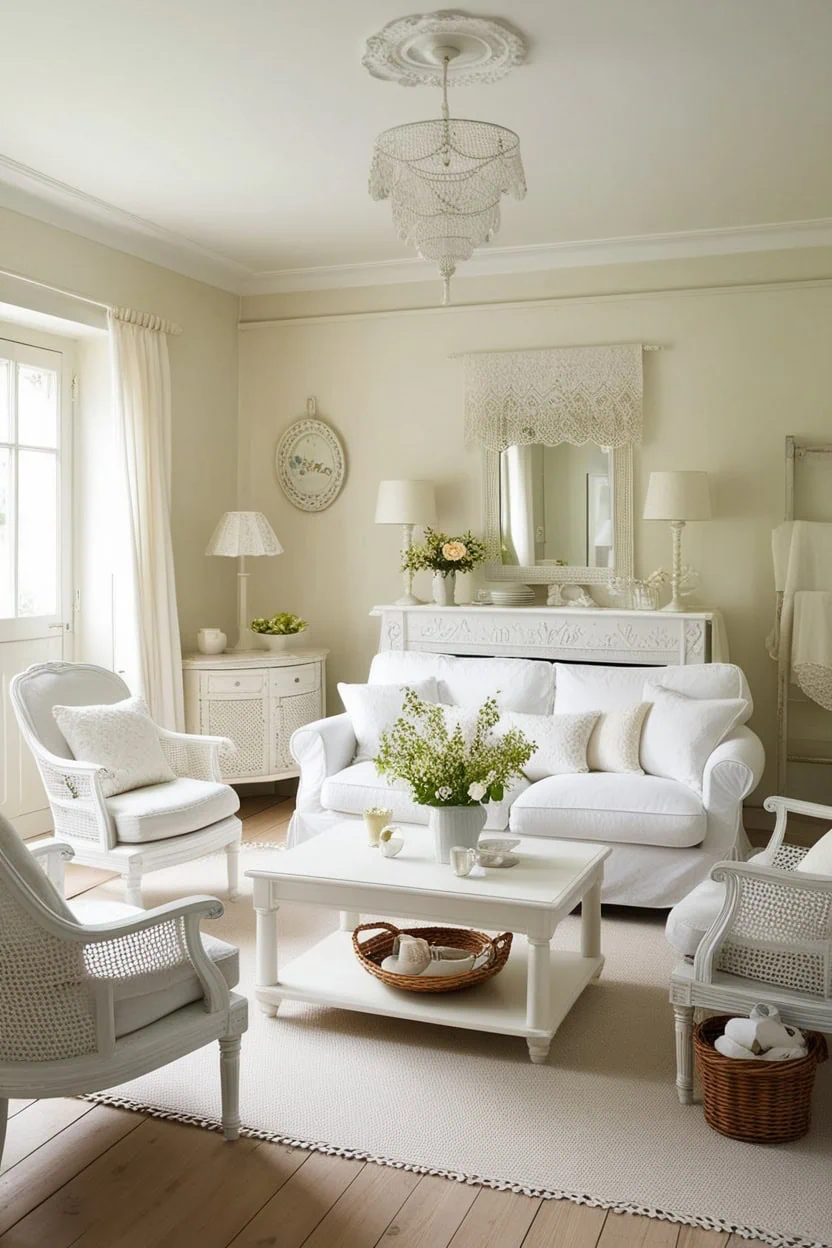
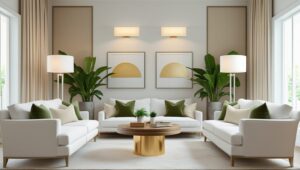
Furniture that feels visually heavy can quickly overwhelm a small living room. Pieces with exposed or raised legs help create breathing room by allowing light to pass underneath, which visually opens up the space. Sofas, chairs, and side tables with slim frames and visible legs make the room feel less crowded and more balanced, even when the size of the furniture remains the same.
For more ways to place furniture thoughtfully without blocking flow, take a look at our guide on furniture layout tips for small rooms, where smart layout choices make a noticeable difference in compact rooms.
2. Use Multi-Functional Furniture for Small Living Rooms
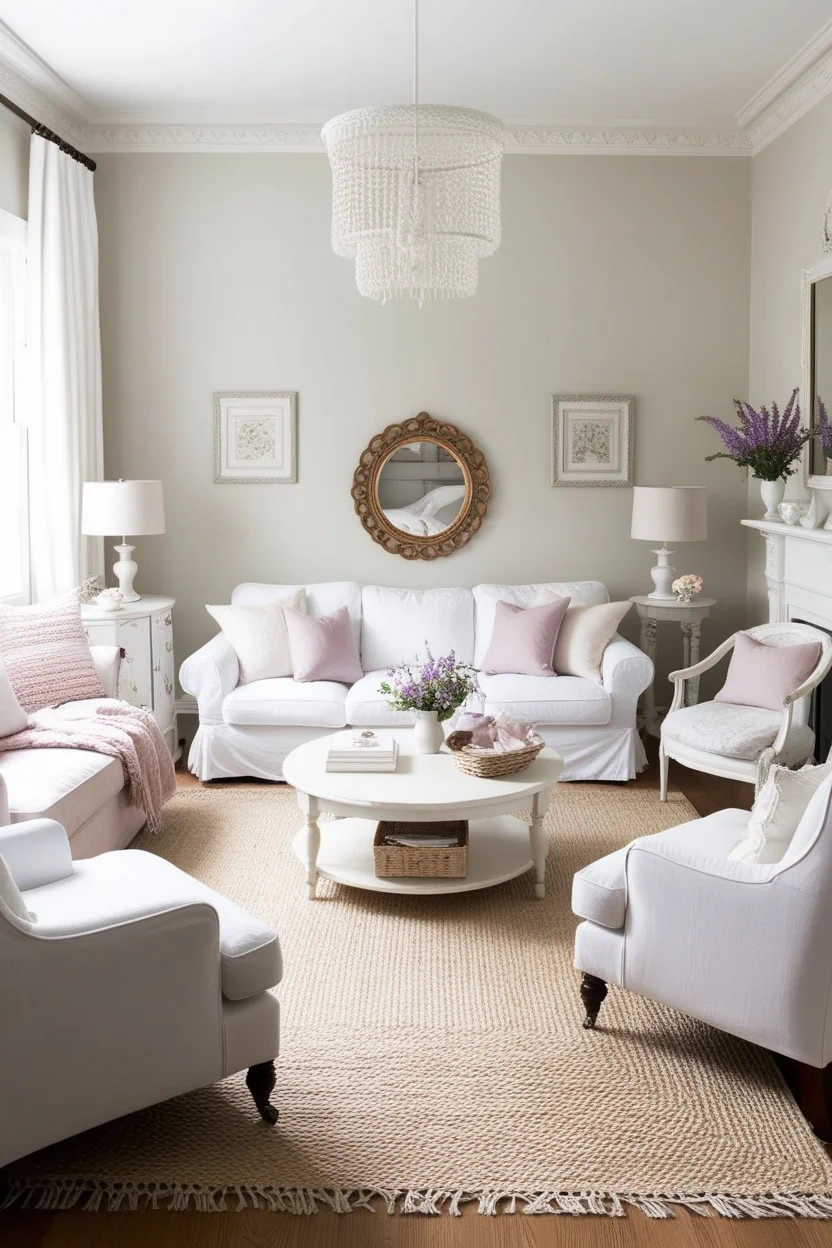
In a small living room, furniture should do more than just look good—it should work hard too. Multi-functional pieces like storage ottomans, nesting tables, or sofas that double as guest beds help reduce clutter while maximizing usefulness. By combining comfort and storage in a single piece, you free up valuable floor space and keep the room feeling organized and intentional.
Choosing furniture that adapts to different needs is one of the easiest ways to create a practical and flexible small living room layout.
3. Opt for Wall-Mounted Storage to Maximize Space
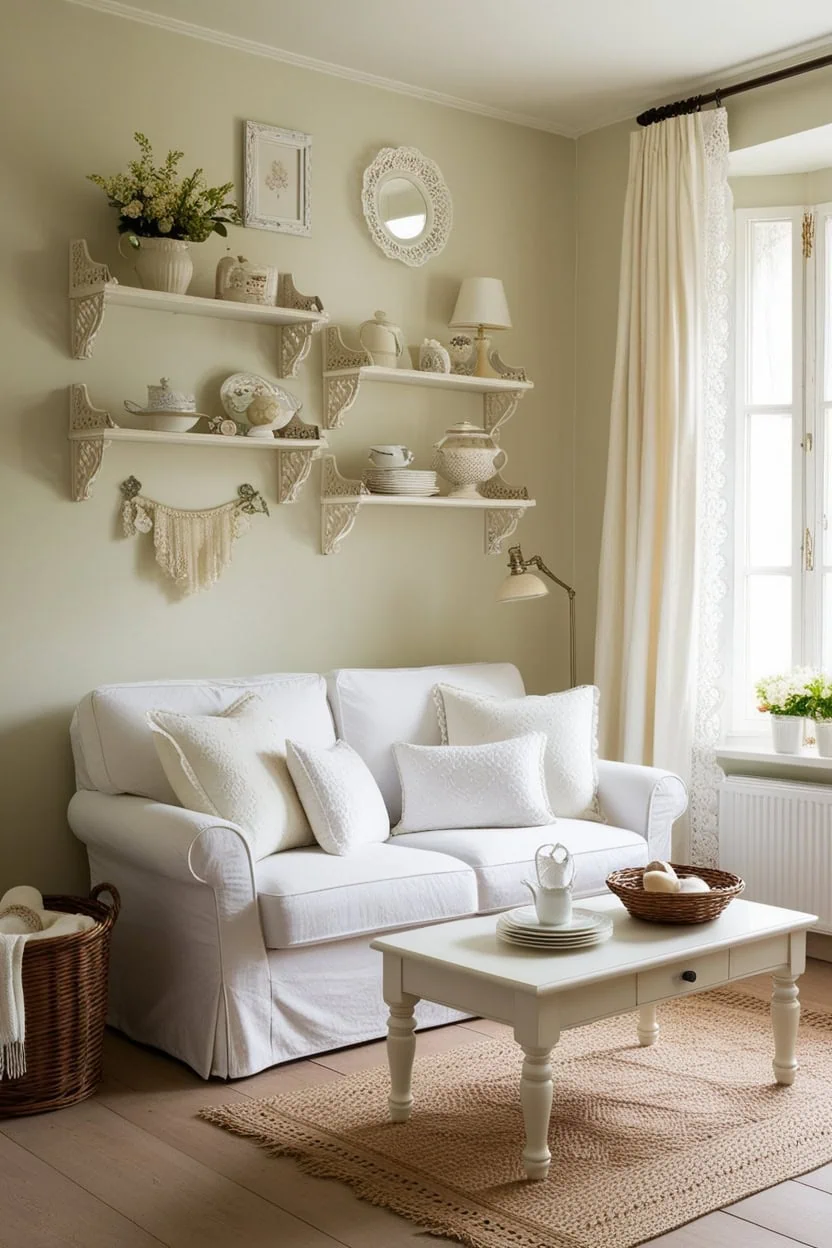
When floor space is limited, vertical storage becomes essential. Floating shelves, wall-mounted cabinets, and slim bookcases help lift storage off the floor while drawing the eye upward, which visually opens up the room. This approach not only keeps essentials organized but also creates a lighter, less crowded feel—especially when paired with thoughtfully chosen wall finishes and tones that enhance brightness.
4. Stick to a Light, Cohesive Color Palette for Small Living Rooms
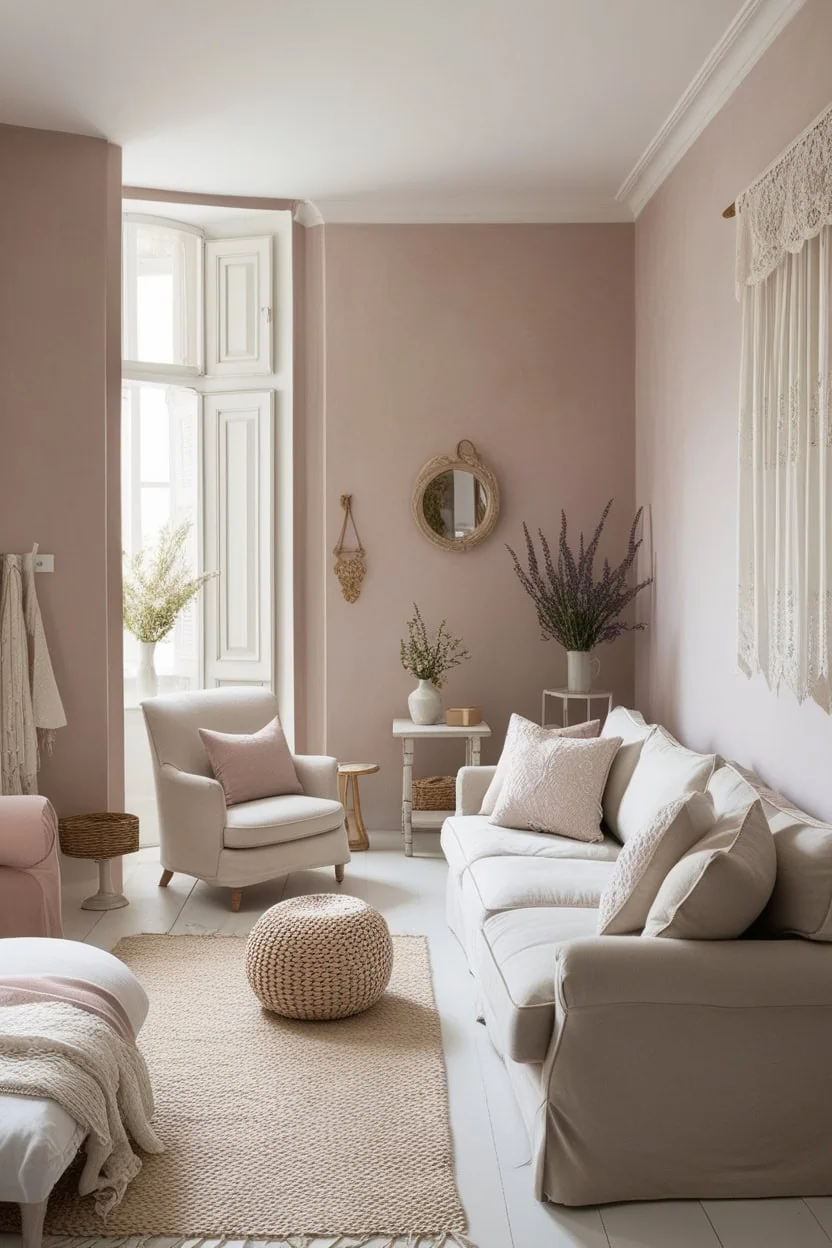
Color has a powerful influence on how spacious a living room feels. Soft neutrals, warm whites, light beiges, and pale greys reflect light, helping to visually expand the space. Choosing wall shades that complement your furniture and decor keeps the room feeling unified rather than busy. If you’re unsure which shades work best, our guide on Living Room Paint Colors offers helpful inspiration for creating an open, harmonious look in smaller spaces.
5. Scale Furniture Properly in a Small Living Room
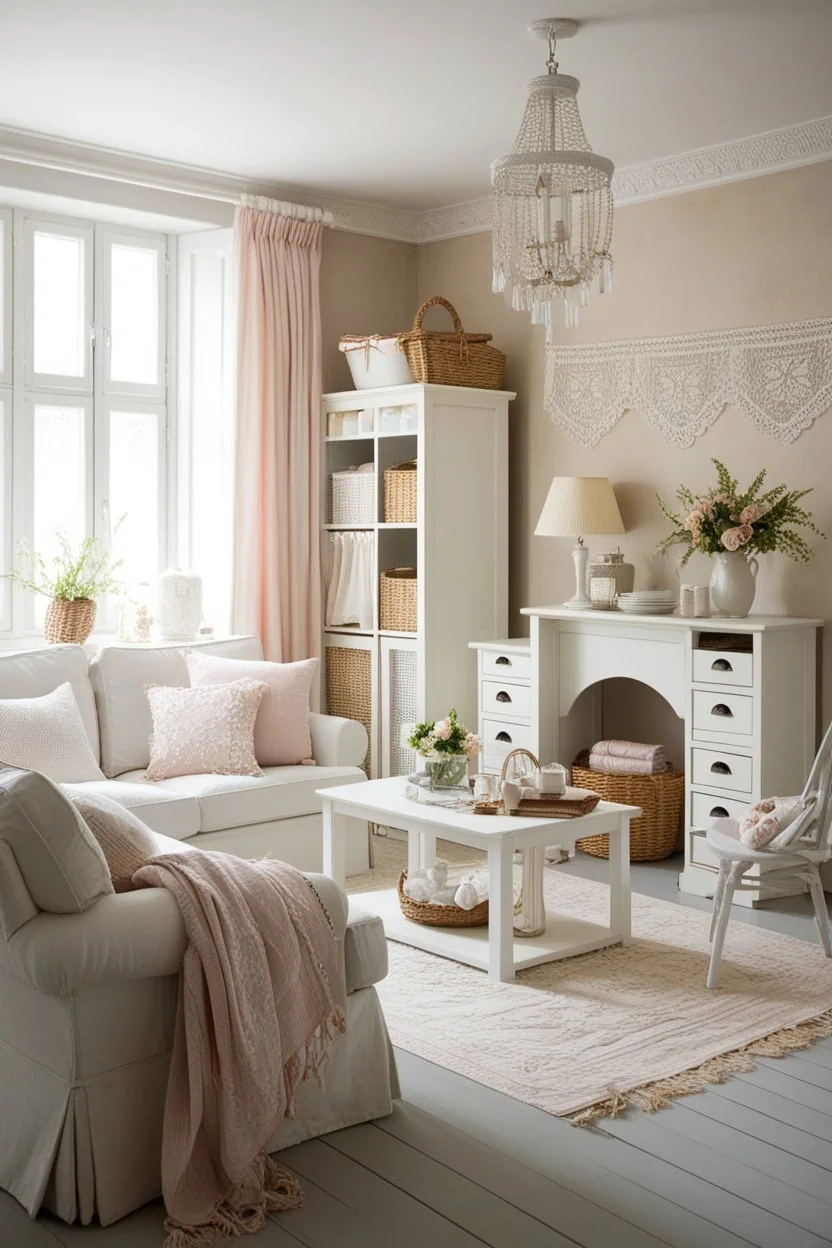
Furniture size makes a big difference in how a small living room feels. Oversized sofas or bulky chairs can quickly take over limited space. Instead, opt for well-proportioned pieces such as a streamlined sofa, armless chairs, or slim side tables that offer comfort while keeping the layout open and balanced.
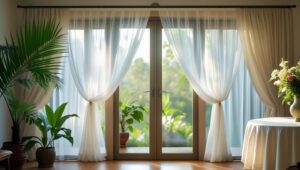
6. Replace Bulky Curtains with Space-Smart Window Treatments
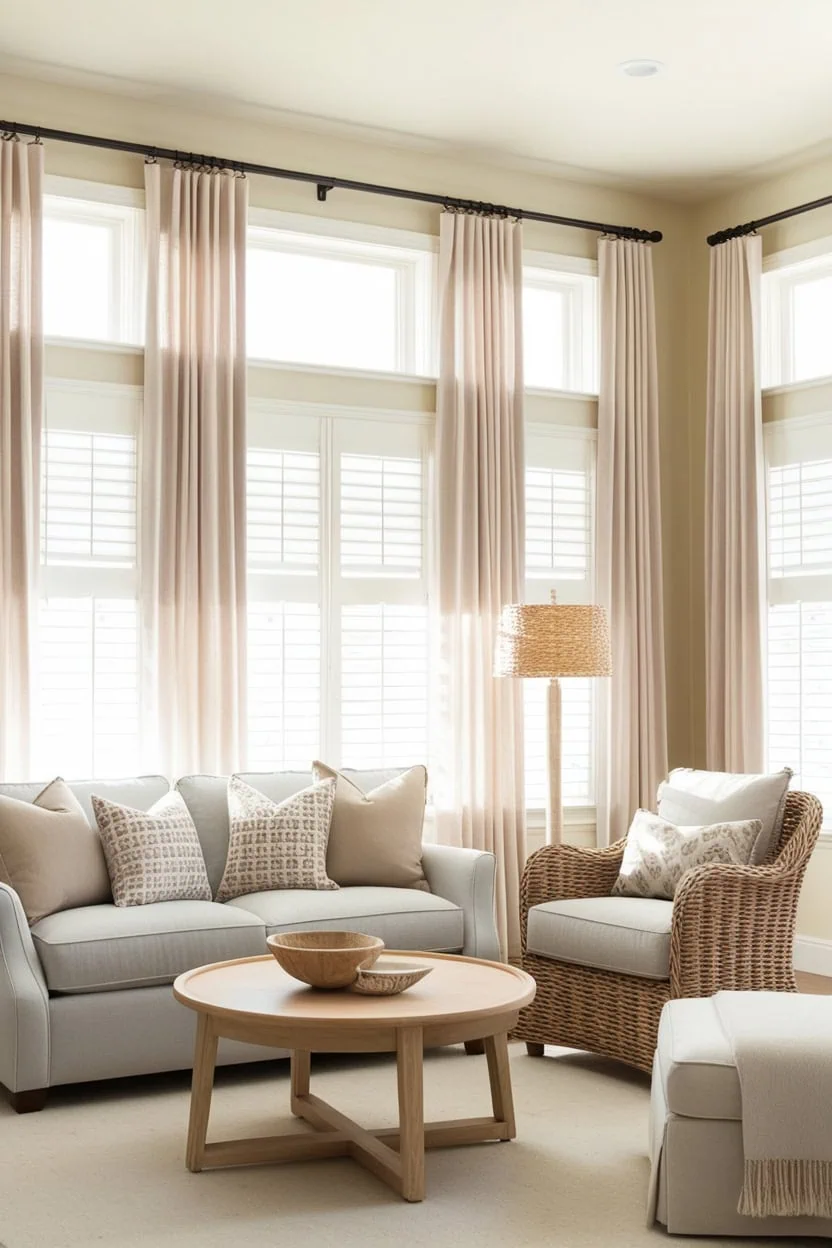
Thick, heavy curtains can make a small living room feel darker and more enclosed. Switching to lighter options like sheer panels, roller shades, or Roman blinds helps maintain a clean, airy look. Hanging curtain rods closer to the ceiling can also visually lift the height of the room. For more practical inspiration, explore our guide on Simple Window Treatment Ideas for Small Living Spaces, which shares easy solutions designed specifically for compact spaces.
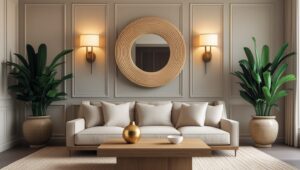
7. Use Mirrors to Make a Small Living Room Look Bigger
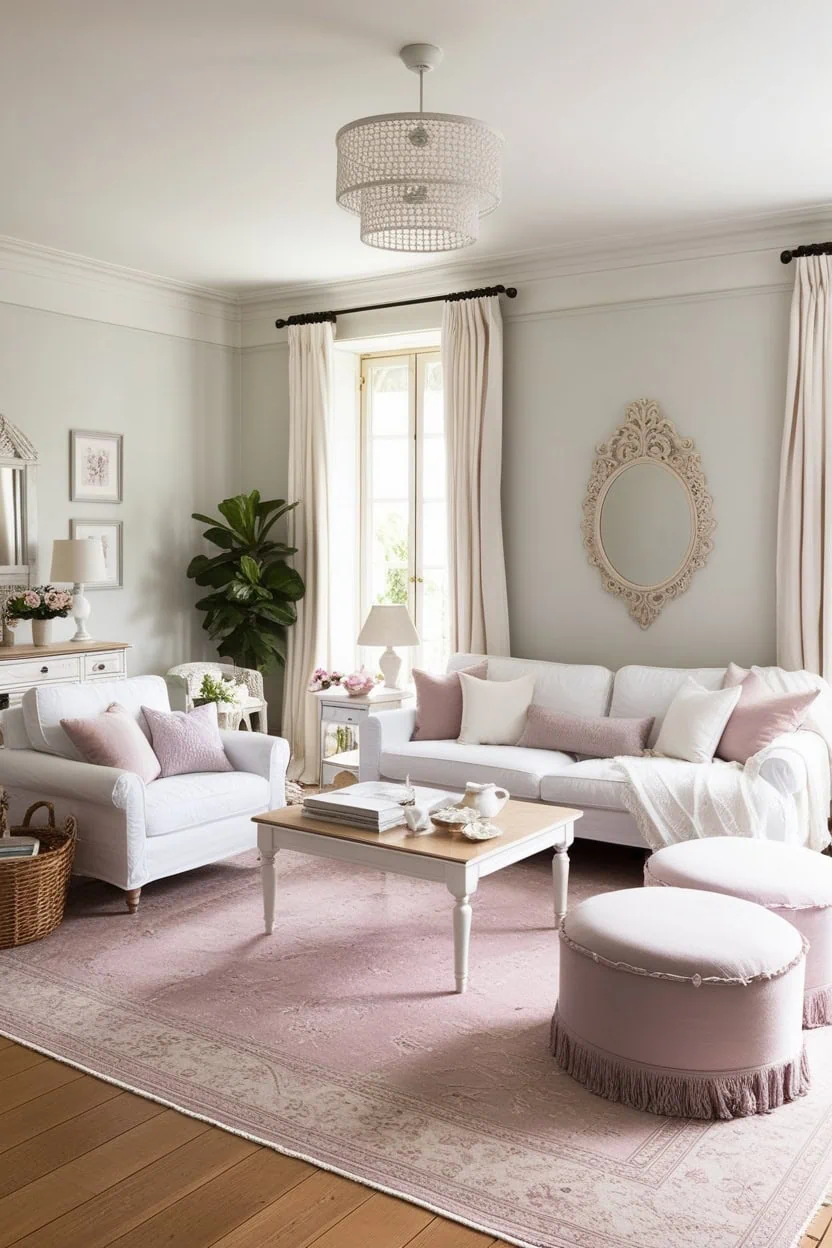
Mirrors are a classic space-saving trick for a reason. A well-placed mirror reflects both natural and artificial light, making the room feel brighter and larger. Position mirrors across from windows or behind seating areas to enhance depth and openness.
8. Create Hidden Storage in Small Living Rooms
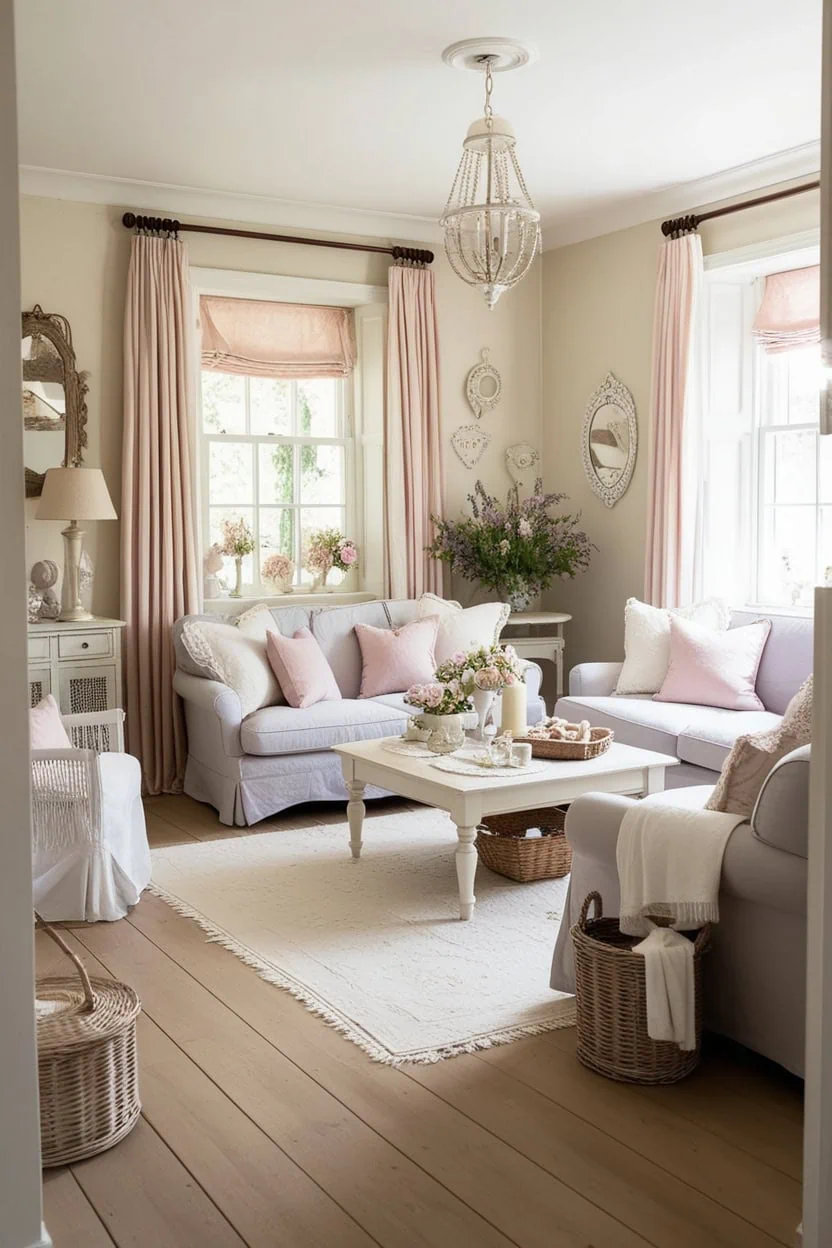
Hidden storage keeps visual clutter at bay. Choose side tables with drawers, benches with lift-up seats, or media units with closed cabinets. The fewer items you see, the more spacious your living room will feel.
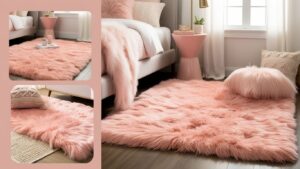
9. Define Zones to Improve Small Living Room Layout
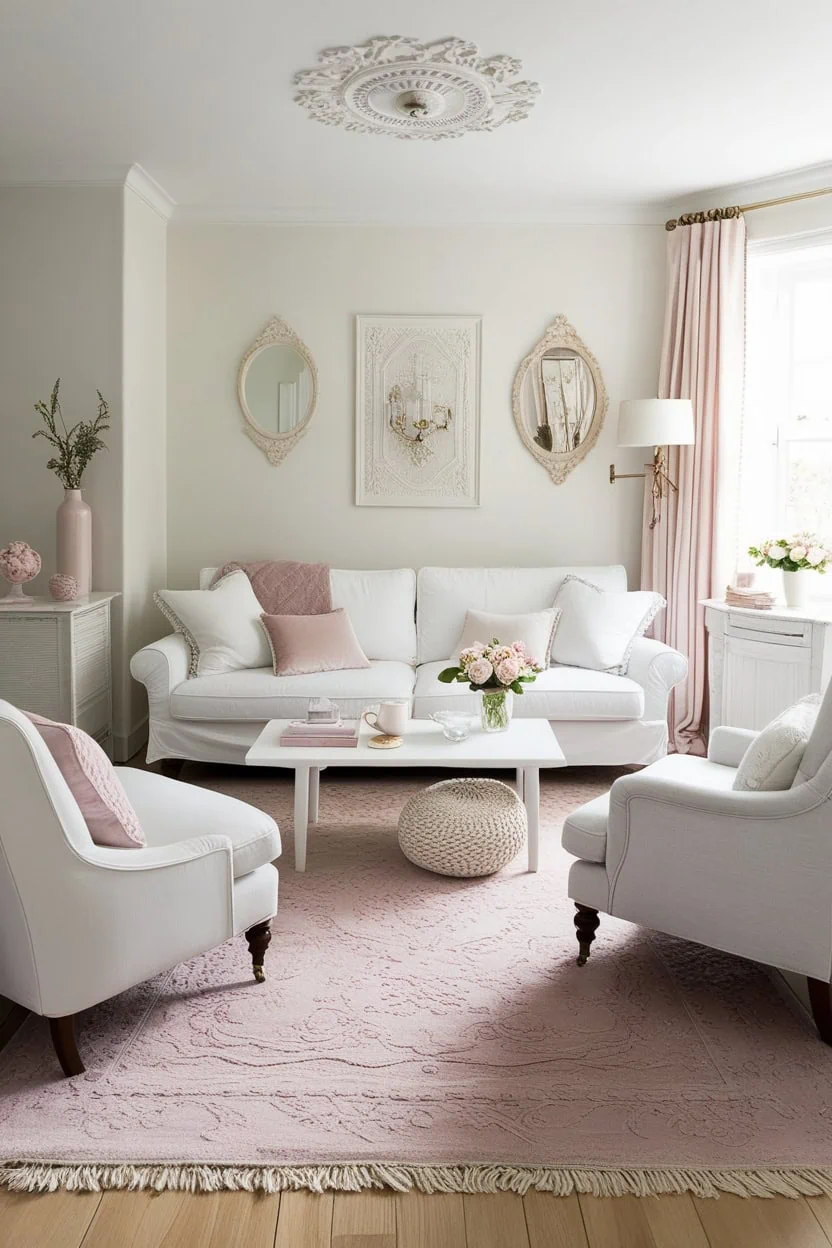
Even small living rooms benefit from clear zoning. A properly sized area rug can define the seating area and anchor the space. Choose a rug that fits all front furniture legs on top to visually widen the room rather than break it into smaller sections.
10. Maximize Seating with a Sectional
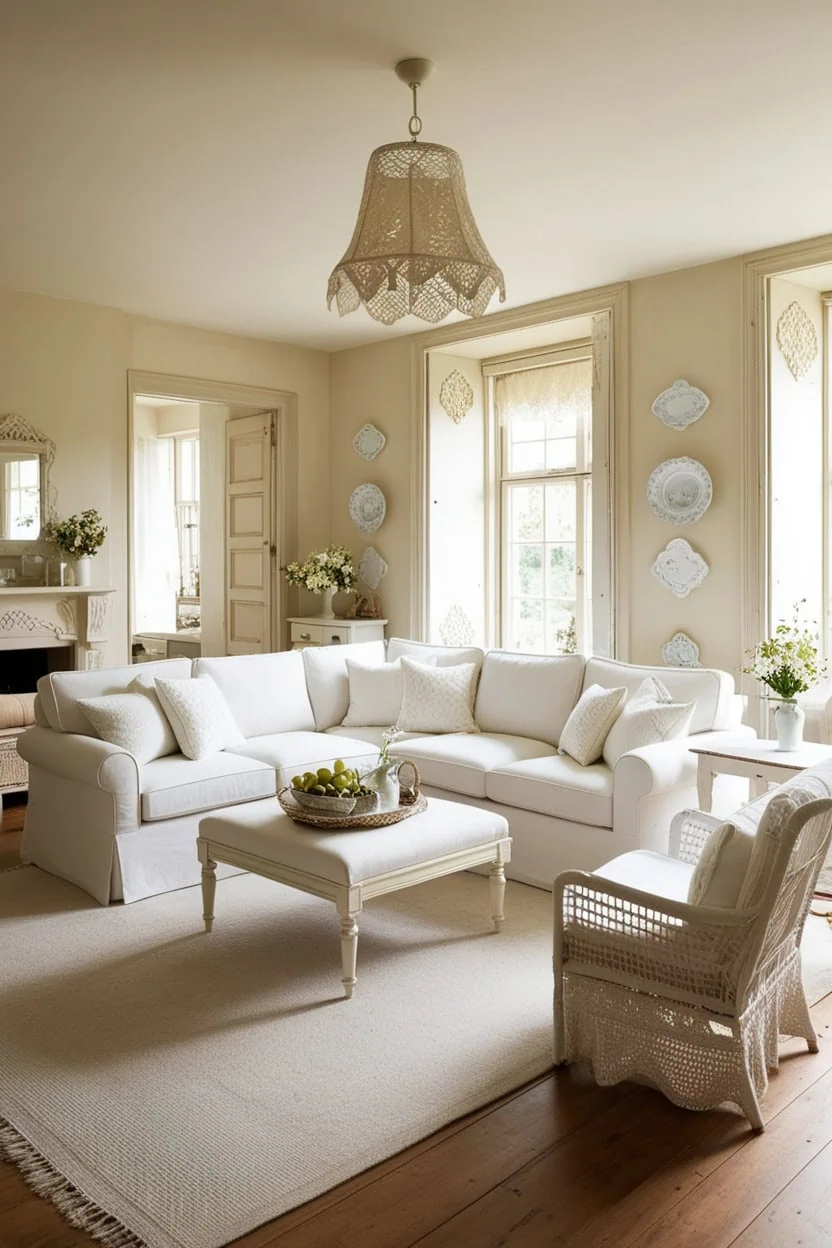
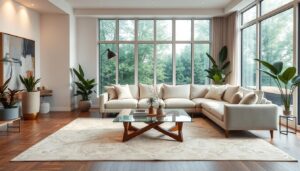
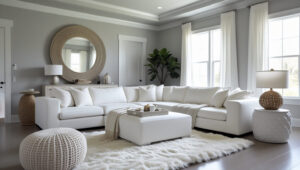
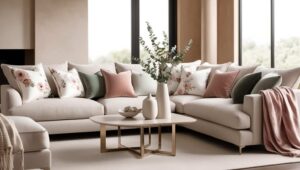
A sectional sofa can be a smart choice for small living rooms when space is limited, but seating is still important. Instead of filling the room with multiple chairs, a compact sectional offers comfortable seating while keeping the layout clean and organized. Placed in a corner or along two walls, it helps define the seating area without making the room feel crowded.
Choosing a sectional with slim arms, exposed legs, or a modular design can make the space feel more open and flexible. If you want more ideas on selecting the right size and layout, take a look at our guide on sectional sofas for small spaces, where we share practical tips to make the most of your living room.
11. Mount the TV to Free Up Floor Space
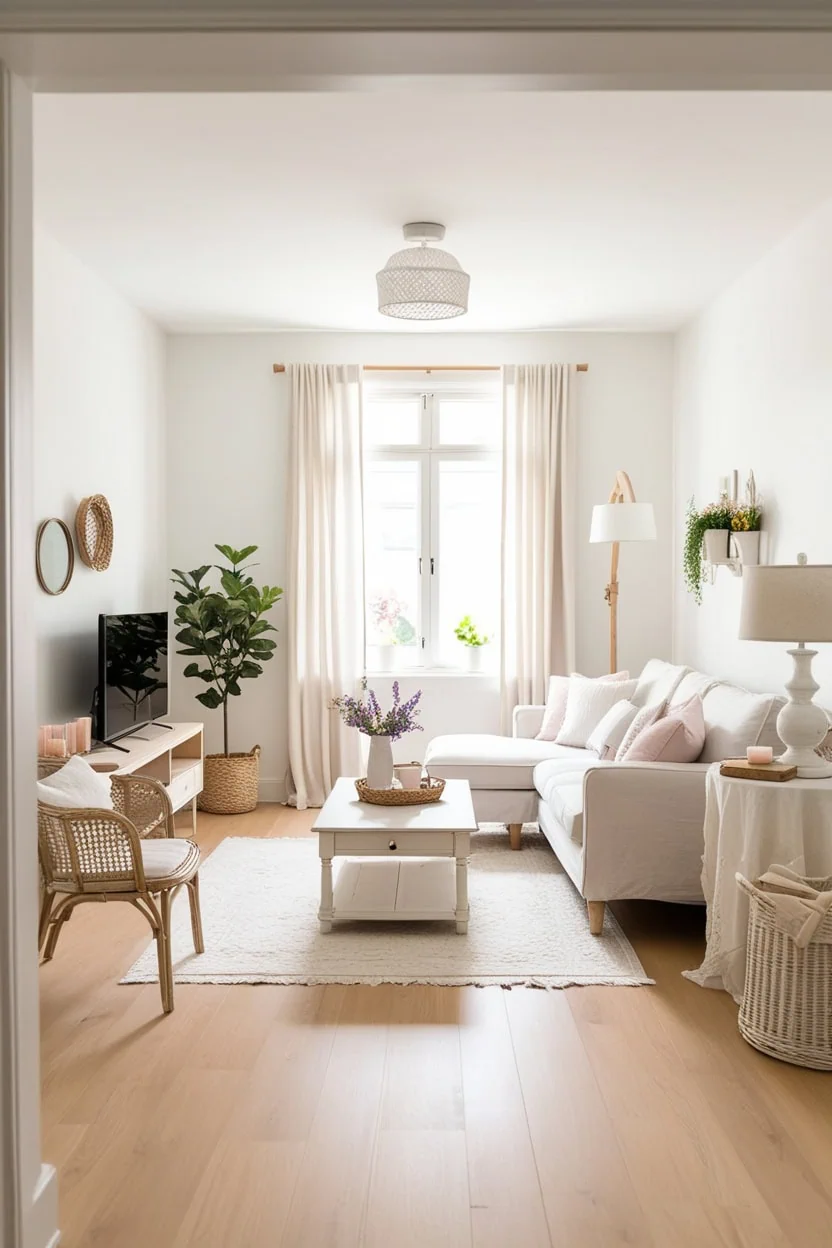
Placing the TV on the wall instantly opens up valuable floor area in a small living room. Without a large entertainment unit taking up space, the room feels lighter and more open. A narrow floating shelf or compact wall unit can still provide storage while keeping the overall look clean and uncluttered.
12. Use Vertical Decor to Make the Room Feel Taller
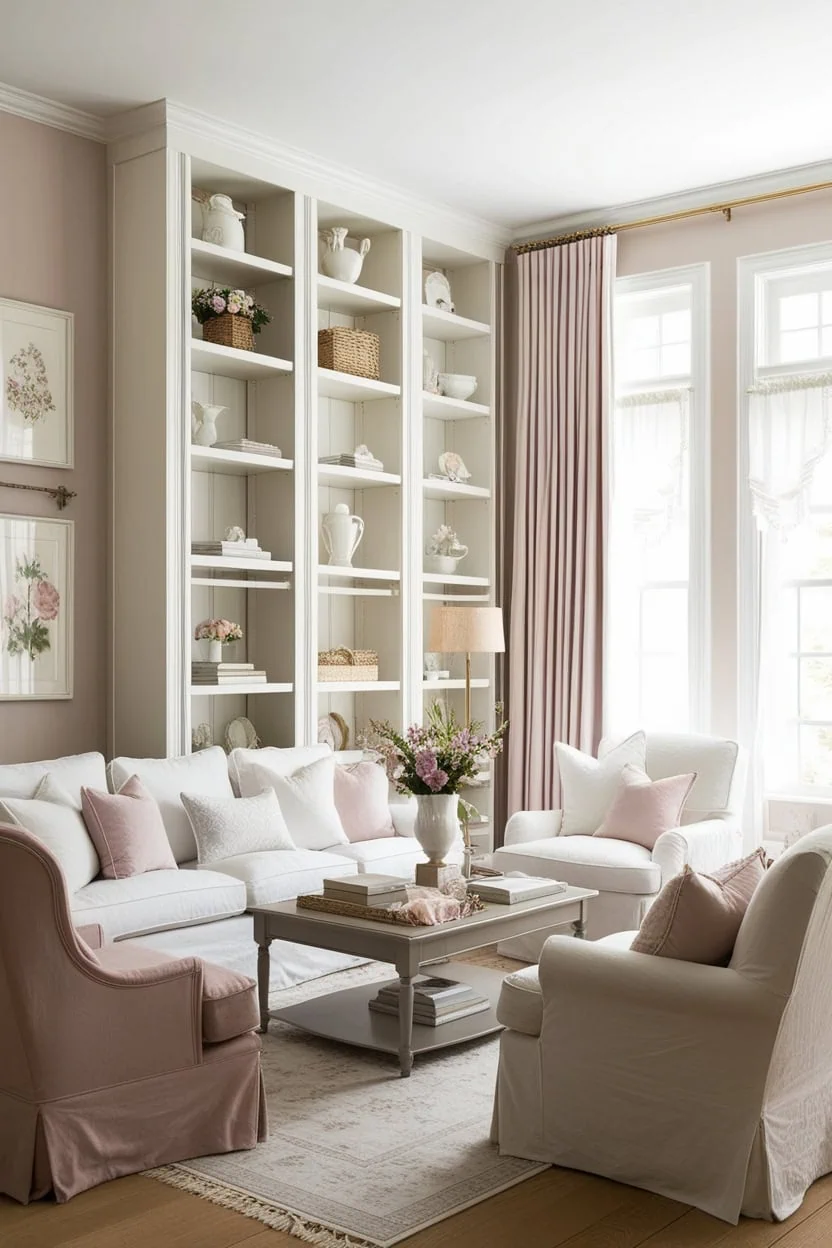
When space is tight, thinking vertically can make a big difference. Tall artwork, narrow shelving units, or curtains hung closer to the ceiling naturally draw the eye upward. This visual trick adds height and helps the room feel more spacious without changing the layout.
13. Maintain Clear Walkways for Better Flow
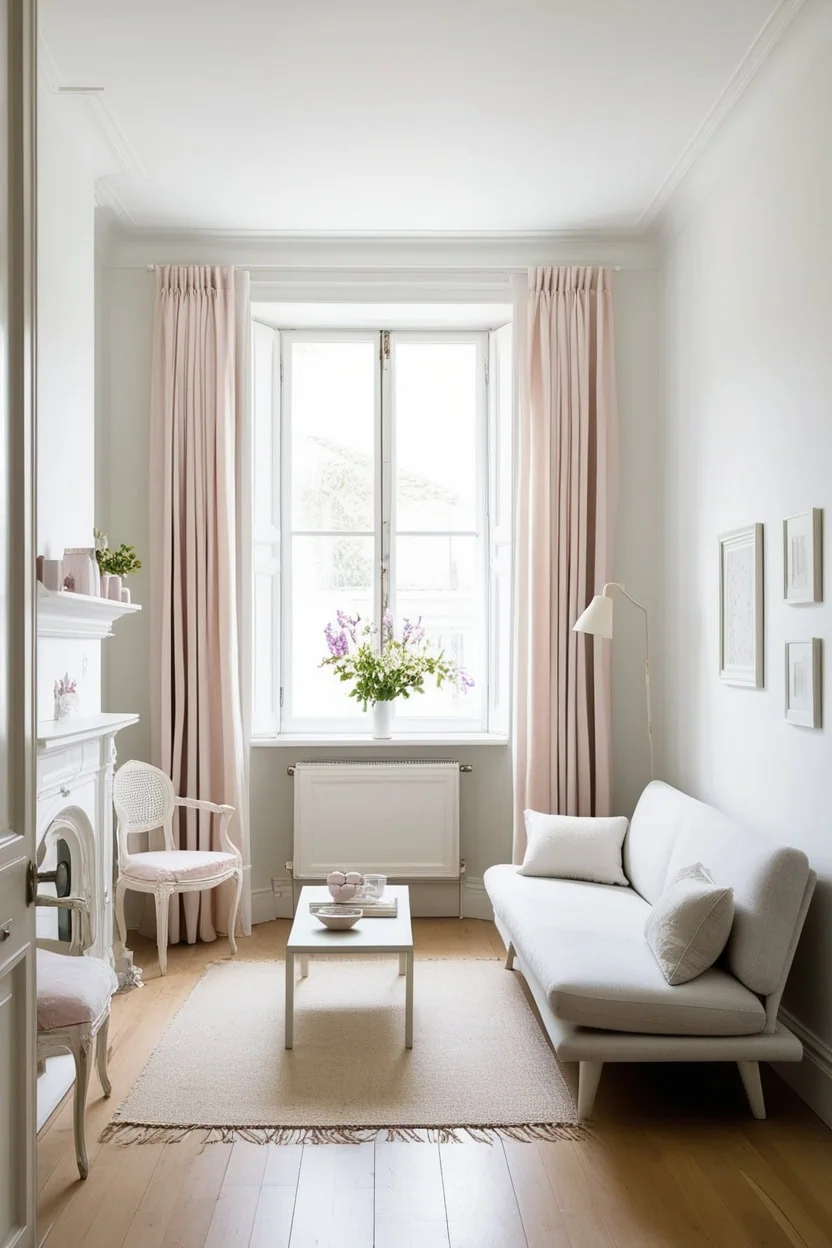
A small living room works best when movement feels effortless. Arrange furniture so there’s enough room to walk around comfortably, avoiding tight corners or blocked paths. Open walkways improve both functionality and balance, making the space feel calm, organized, and easy to live in.
14. Choose Visually Light Furniture to Open Up the Room
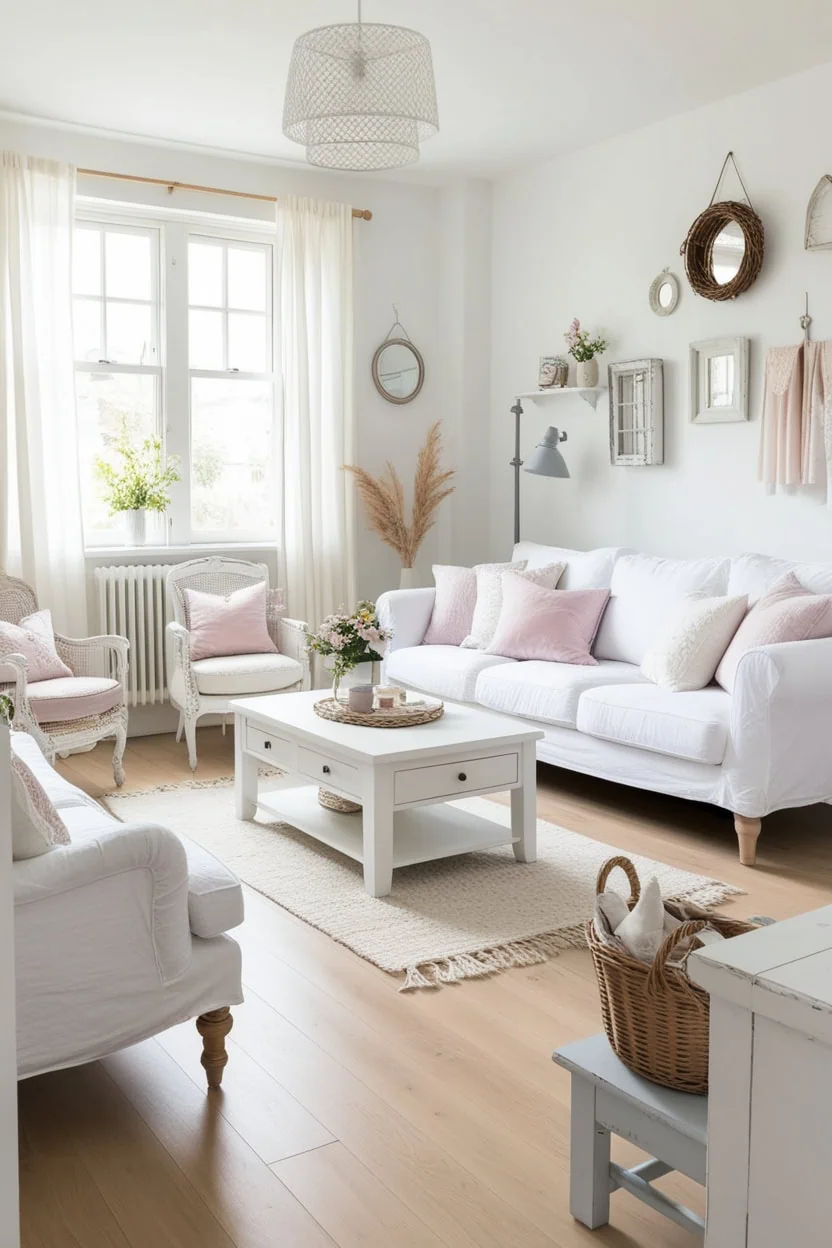
In a small living room, furniture that looks airy can make a noticeable difference. Pieces made from glass, acrylic, or slim metal frames don’t visually block the space, allowing the room to feel more open and breathable. Because these designs keep visual lines uninterrupted, the area feels less confined while remaining fully functional. If you’re looking for more ways to style a compact space without overwhelming it, our small living room decor ideas offer helpful inspiration and practical guidance.
15. Edit Decor to Prevent Visual Clutter
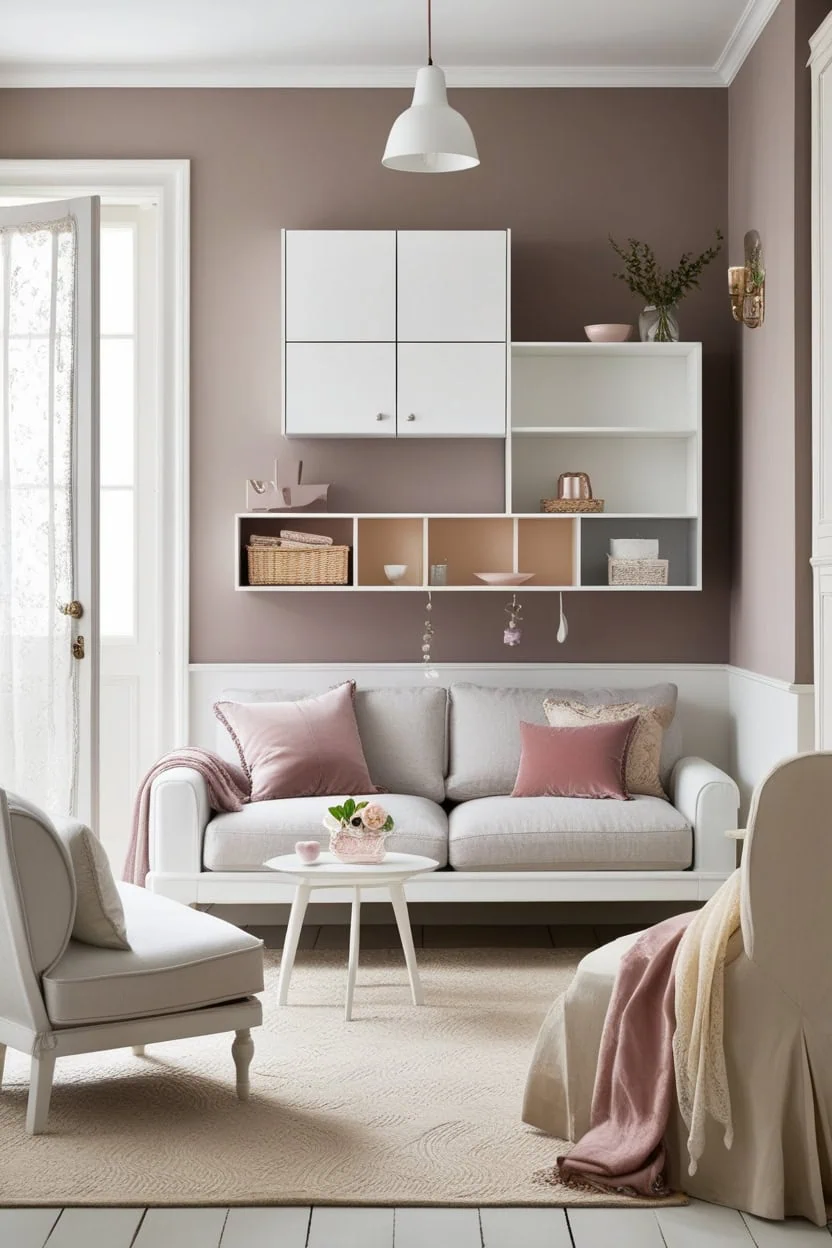
In compact spaces, restraint goes a long way. Instead of filling shelves and surfaces with many small accessories, select a few decor items that truly stand out. Thoughtful styling helps the room feel calmer, more balanced, and visually larger.
16. Stick to a Simple, Space-Smart Layout
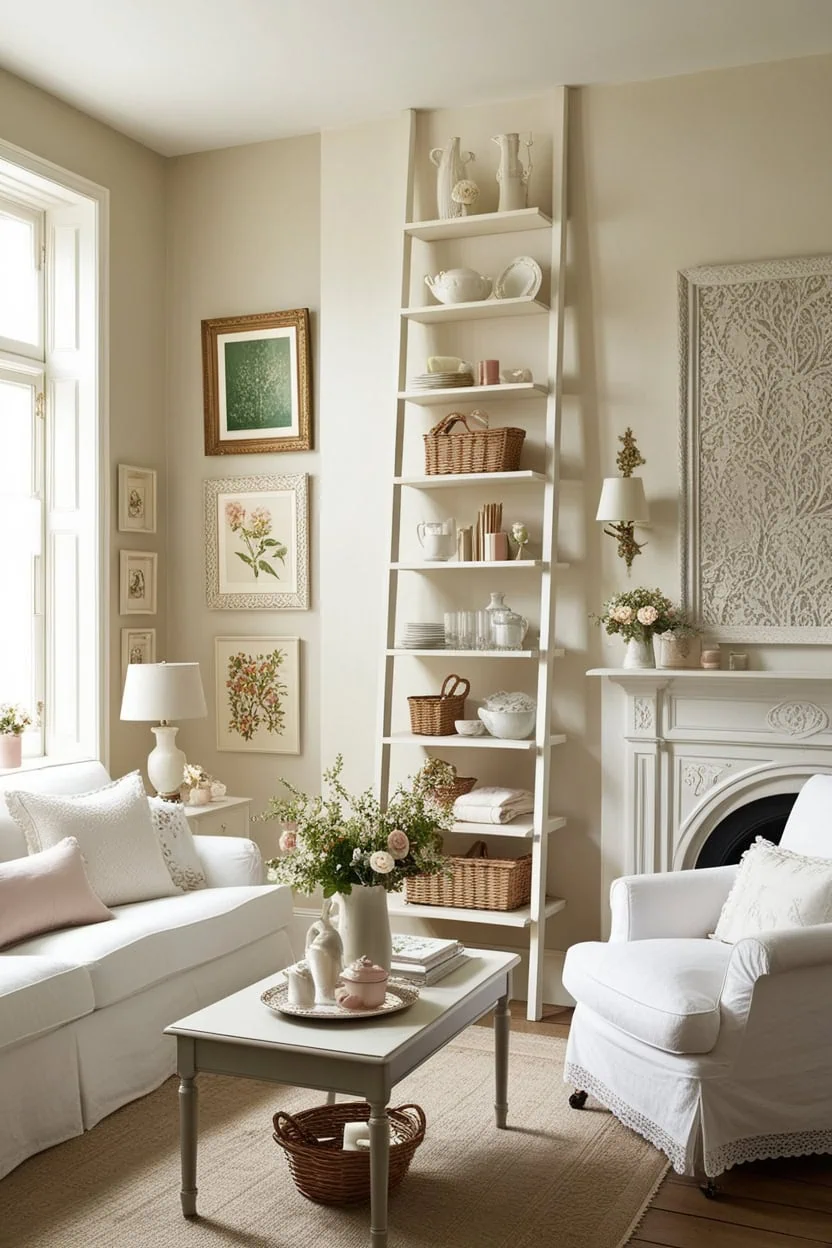
A carefully planned layout can be one of the most effective space-saving ideas for small living rooms. Focus on essential furniture only and arrange seating in a way that encourages easy movement and conversation. Sometimes removing a single unnecessary piece is enough to make the entire room feel lighter and more comfortable.
Final Thoughts
Designing a small living room is less about limitations and more about making thoughtful, intentional choices. When furniture, layout, and storage are planned with care, even the most compact space can feel inviting and well-balanced. Smart space-saving solutions help highlight a room’s strengths, improve flow, and create a sense of openness without sacrificing comfort or style.
By applying these 15 space-saving ideas for small living rooms, you can shape a space that works beautifully for everyday living while still reflecting your personal taste. And if you’re drawn to warm textures, soft colors, and inviting details, you may also enjoy exploring our guide on Cozy Small Living Room Ideas, where comfort and style come together effortlessly. With the right approach, small living rooms can feel just as impactful and livable as larger ones.
FAQs
1. How can I make a small living room look bigger without renovating?
You can make a small living room look bigger by focusing on visual tricks rather than structural changes. Use light, cohesive colors, choose furniture with exposed legs, add mirrors to reflect light, and keep the layout simple. Reducing visual clutter often has the biggest impact.
2. What type of furniture works best in small living rooms?
Multi-functional and appropriately scaled furniture works best in small living rooms. Look for sofas with slim arms, nesting tables, storage ottomans, and wall-mounted units. Each piece should serve a clear purpose without overwhelming the space.
3. Are sectionals a bad idea for small living rooms?
Not always. A compact sectional can work well if it fits the room properly and replaces multiple seating pieces. Choose a low-profile design with clean lines and avoid bulky arms or oversized cushions.
4. How important is storage in a small living room?
Storage is essential in small living rooms because clutter makes the space feel smaller. Hidden storage solutions—such as closed cabinets, storage benches, and furniture with drawers—help maintain a clean, open look while keeping everyday items accessible.
5. What colors should I avoid in a small living room?
Very dark or highly contrasting colors can make a small living room feel more enclosed if overused. If you love darker tones, balance them with light walls, reflective surfaces, and good lighting to keep the room feeling open.
6. Can curtains really affect how spacious a living room feels?
Yes, window treatments play a major role. Lightweight fabrics, simple designs, and ceiling-mounted curtain rods can visually increase height and openness. Avoid heavy, overly layered drapery in very small spaces.
7. How many decor items are too many for a small living room?
In a small living room, fewer decor pieces usually work better. Instead of many small items, choose a few well-scaled accessories that add character without creating visual clutter. This helps the room feel calm and intentional.